
Iran attack on Saudi airbase has once again brought the Middle East into sharp global focus after reports emerged of a significant military incident involving a suspected Iran-linked strike on a Saudi Arabian airbase. According to initial information, at least 12 American soldiers were injured in the strike, raising serious concerns about regional security and global stability. This development is particularly alarming because it involves direct harm to US military personnel stationed in a strategically sensitive location.
The region has long been marked by geopolitical tensions, but such incidents increase the risk of rapid escalation. Governments, analysts, and international organizations are closely monitoring the situation, as even a limited confrontation has the potential to trigger wider conflict involving multiple nations and long-standing rivalries.
Table of Contents
Overview of the Iran Attack on Saudi Airbase
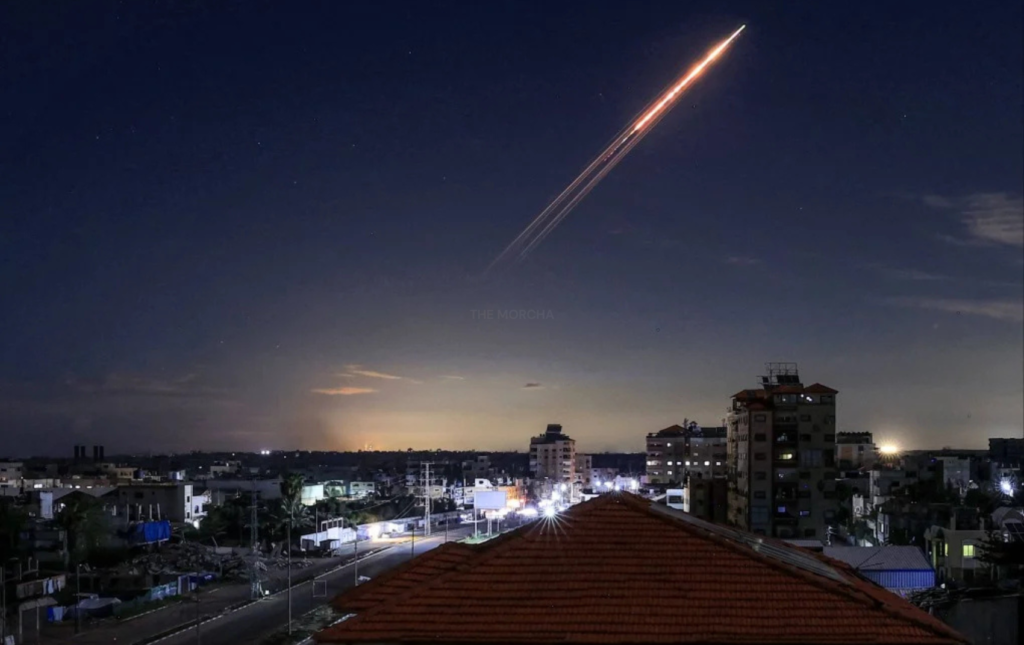
The reported attack targeted a key Saudi airbase that hosts United States military personnel and plays an important role in regional defense operations. Early assessments suggest that the strike may have been carried out using advanced methods such as drones or precision-guided missiles, which are increasingly common in modern warfare. These types of weapons are difficult to detect and intercept, making them highly effective against even well-protected military installations.
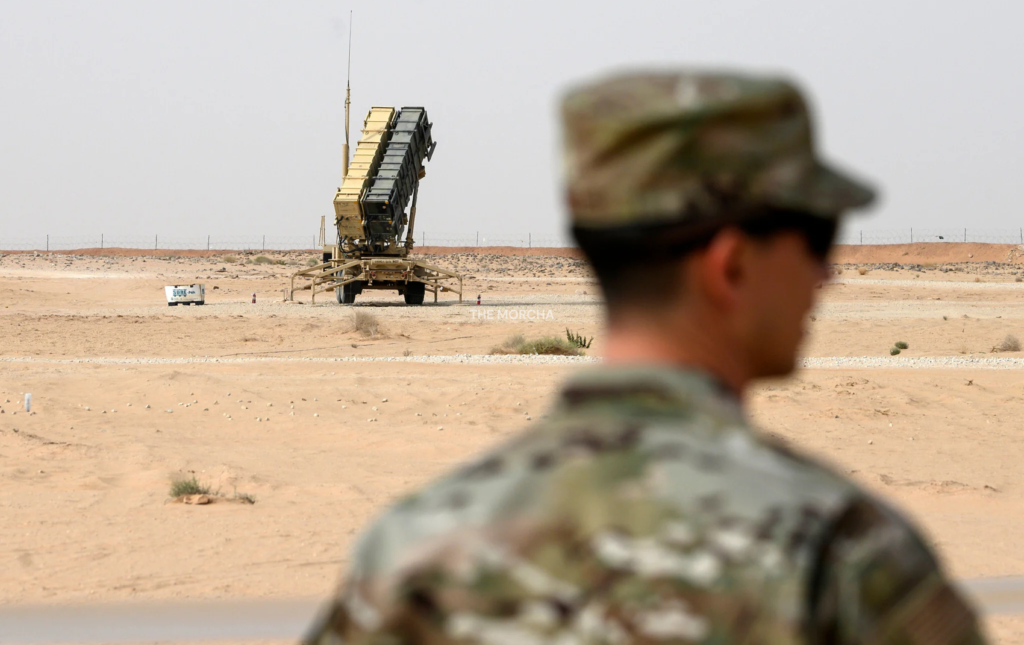
Despite the presence of sophisticated defense systems, the attack was able to penetrate security measures, highlighting vulnerabilities that may require urgent attention. The immediate response included activating emergency protocols, securing the area, and providing medical assistance to injured personnel, demonstrating the seriousness of the situation.
Casualties and Damage Assessment
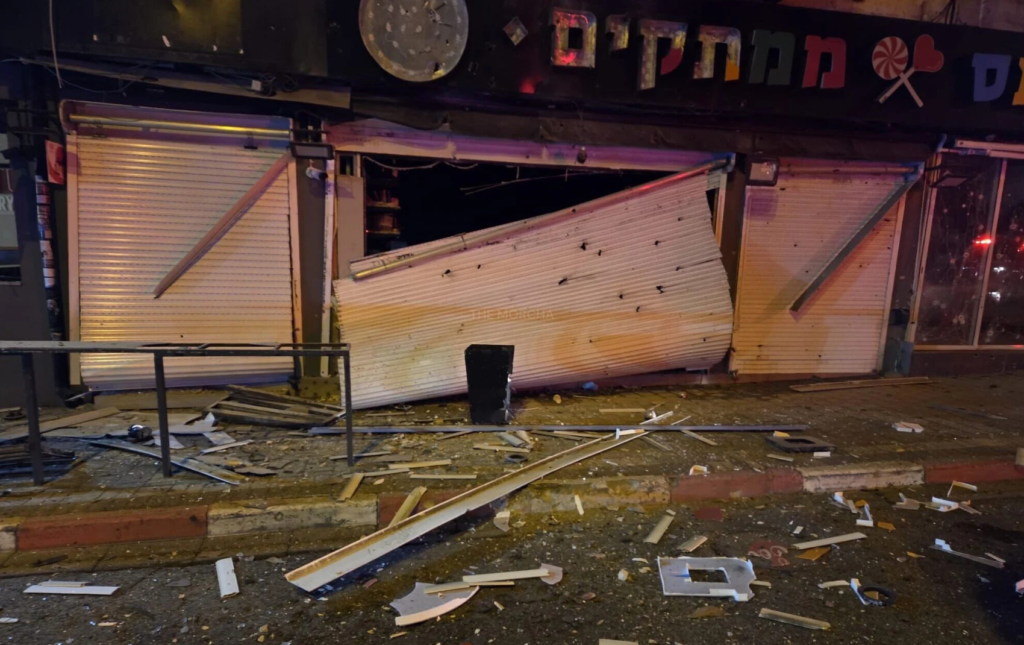
According to available reports, 12 US soldiers were injured in the attack, with injuries ranging from minor to moderate in severity. While no fatalities have been officially confirmed, the incident still represents a significant breach of security and a direct threat to military personnel. In addition to human casualties, there are indications that parts of the airbase infrastructure sustained damage, although details remain limited due to operational security concerns. Military officials often restrict the release of such information to prevent adversaries from gaining insights into vulnerabilities. The full extent of the damage is likely still being assessed, and further updates may provide a clearer picture of the operational impact on the base and its capabilities.
Suspected Involvement of Iran
Although there has been no formal confirmation, many intelligence analysts believe that Iran may have been involved either directly or indirectly in the attack. Iran has consistently denied direct participation in similar incidents in the past, often attributing them to independent groups operating in the region. However, the tactics, technology, and targets involved frequently align with Iran’s strategic interests. This creates a complex situation where attribution becomes difficult, allowing for plausible deniability while still sending a strong geopolitical message. If Iran’s involvement is confirmed, it could significantly escalate tensions with the United States and its allies, potentially leading to retaliatory measures and a further deterioration of already strained diplomatic relations.
Role of Iran-Backed Militias
Iran-backed militias play a crucial role in shaping the security landscape of the Middle East. These groups operate across several countries and often act in alignment with Iran’s broader strategic goals. They are typically well-equipped and capable of carrying out coordinated attacks using modern weaponry, including drones and missile systems. Their involvement in such incidents complicates the situation, as it becomes difficult to determine whether actions are directly ordered by Iran or independently executed. This ambiguity makes it challenging for affected nations to formulate an appropriate response. Targeting these groups risks escalating tensions with Iran, while inaction may embolden further attacks, creating a delicate balance for policymakers.
Strategic Importance of Saudi Arabia
Saudi Arabia holds a central position in global geopolitics due to its vast energy resources and its role as a key ally of the United States. The country is one of the world’s largest oil producers, making it critical to global energy supply and economic stability. Additionally, its geographic location makes it a strategic hub for military operations in the Middle East. Any attack on Saudi infrastructure, particularly military installations, has implications that extend far beyond the region. It affects global markets, international relations, and security dynamics. This is why incidents like the recent airbase attack attract widespread attention and concern from governments and institutions around the world.
US Military Presence in the Region
The United States has maintained a significant military presence in the Middle East for decades, including in Saudi Arabia. This presence is aimed at ensuring regional stability, protecting allies, and safeguarding important trade routes such as those used for oil transportation. US bases in the region are equipped with advanced technology and staffed by highly trained personnel capable of responding to various threats. However, the recent attack demonstrates that even the most secure installations are not immune to evolving tactics used by adversaries. This raises important questions about defense preparedness and the need for continuous adaptation to new forms of warfare in an increasingly complex security environment.
Rising Tensions Between Iran and the US
Relations between Iran and the United States have been tense for many years, driven by disagreements over nuclear policies, economic sanctions, and regional influence. Incidents like the Saudi airbase attack further strain this already fragile relationship. Each side tends to interpret such events as aggressive actions, leading to strong rhetoric and, at times, retaliatory measures. This cycle of tension increases the risk of miscalculation, where a response intended as limited could escalate into a broader conflict. Diplomatic efforts have been made in the past to ease tensions, but progress has often been slow and inconsistent, leaving the situation highly unpredictable and sensitive.
Evolution of Modern Warfare Tactics
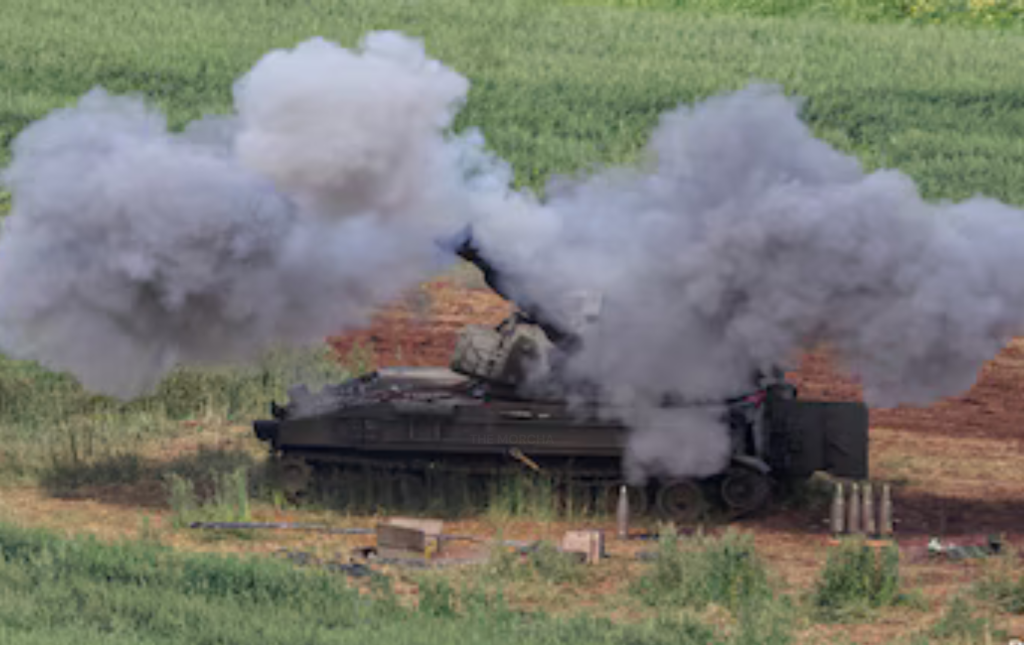
Modern warfare has undergone significant changes, with technology playing an increasingly important role. The suspected use of drones or precision missiles in this attack highlights how conflicts are shifting away from traditional large-scale battles to more targeted and strategic operations. Drones, in particular, offer several advantages, including lower cost, high precision, and reduced risk to personnel. They can be deployed quickly and are often difficult to detect using conventional defense systems. This makes them an attractive option for both state and non-state actors. As these technologies continue to evolve, militaries around the world must adapt their strategies and invest in new defense mechanisms to counter emerging threats effectively.
Impact on Regional Stability
The Middle East has long been considered one of the most volatile regions in the world, and incidents like the reported attack on a Saudi airbase only add to this instability. When a major power like the United States is directly affected, the situation becomes even more sensitive. Neighboring countries often react by increasing their military readiness, which can create an atmosphere of heightened tension and suspicion. Such developments may also lead to the formation of new alliances or the strengthening of existing ones. The risk is that even a localized incident can quickly evolve into a broader regional conflict if not managed carefully through diplomacy and restraint by all involved parties.
Global Economic Implications
The economic consequences of instability in the Middle East are felt worldwide, particularly because of the region’s importance in global energy production. Saudi Arabia, being one of the largest oil exporters, plays a critical role in maintaining the balance of global oil supply. Any threat to its infrastructure or security can lead to uncertainty in the markets, often resulting in fluctuations in oil prices. Investors tend to react quickly to such developments, which can cause volatility in stock markets and impact economic planning. Additionally, disruptions in oil supply chains can affect industries across the globe, from transportation to manufacturing, making this incident relevant far beyond the immediate region.
Response from the United States
The United States is expected to respond cautiously but firmly to the attack, keeping in mind both national security and the potential for escalation. While military retaliation is one option, US leadership may also consider diplomatic and economic strategies to address the situation. These could include imposing additional sanctions, engaging in international discussions, or strengthening alliances in the region. Protecting American personnel remains a top priority, and any response will likely aim to deter future attacks while avoiding a full-scale conflict. The approach taken by the US will be closely watched, as it will influence not only the immediate situation but also future geopolitical dynamics.
Saudi Arabia’s Security Measures
In response to the attack, Saudi Arabia is likely to intensify its security measures and review its defense strategies. This may involve upgrading air defense systems, increasing surveillance capabilities, and enhancing coordination with allied forces such as the United States. The country has faced similar threats in the past and has continuously invested in strengthening its military infrastructure. However, evolving threats require constant adaptation and innovation. By taking proactive steps, Saudi Arabia aims to prevent future incidents and reassure both its citizens and international partners of its commitment to maintaining security and stability within its borders.
International Reactions and Concerns
The international community has responded with concern to the reported attack, urging all parties to exercise restraint and avoid actions that could escalate tensions further. Global powers, including European nations and organizations like the United Nations, often call for dialogue and peaceful resolution in such situations. Many countries have strategic interests in the Middle East, whether related to energy, trade, or security, which makes stability in the region a shared priority. Diplomatic channels are likely to be activated to prevent the situation from worsening, highlighting the importance of international cooperation in addressing complex geopolitical challenges.
Risk of Escalation into Larger Conflict
One of the most pressing concerns following the attack is the possibility of escalation into a larger and more destructive conflict. History has shown that even limited military incidents can spiral out of control if responses are not carefully managed. The involvement of powerful nations and multiple regional actors increases the complexity of the situation. A single retaliatory strike could trigger a chain reaction, drawing more countries into the conflict. This is why analysts emphasize the need for measured responses and strong diplomatic efforts to prevent the situation from deteriorating into a full-scale war with widespread consequences.
Historical Context of Similar Attacks
The recent attack is not an isolated event but part of a broader pattern of tensions and conflicts in the Middle East. Over the years, there have been several incidents involving attacks on military bases, oil facilities, and shipping routes. These events often reflect deeper geopolitical rivalries and unresolved disputes. By examining past incidents, analysts can better understand the current situation and anticipate possible outcomes. Historical patterns suggest that while tensions may rise and fall, the underlying issues remain unresolved, making the region prone to recurring conflicts and security challenges.
Importance of Diplomacy and Dialogue
In a situation as complex and sensitive as this, diplomacy plays a crucial role in preventing further escalation. Open communication channels between nations can help reduce misunderstandings and build trust, even among rivals. Diplomatic efforts may include negotiations, mediation by neutral parties, and participation in international forums. While such processes can be slow and challenging, they offer a path toward long-term stability and conflict resolution. Without diplomacy, the risk of continued confrontation and instability remains high, making it essential for all parties to prioritize dialogue over aggression.
The reported Iran-linked attack on a Saudi airbase, which resulted in injuries to 12 US soldiers, highlights the fragile and unpredictable nature of global security dynamics. As the situation continues to unfold, the actions taken by key players will determine the direction of future developments. Whether this incident leads to escalation or encourages renewed diplomatic efforts remains uncertain. What is clear, however, is that the world is closely watching, and the need for careful decision-making has never been greater. The coming days and weeks will be critical in shaping the outcome and ensuring that stability is maintained in an already sensitive region.