
Intergenerational communities are transforming the way we think about aging in the 21st century, no longer simply associating it with stepping away from work or retreating into quiet retirement. Advances in medicine, nutrition, and technology have significantly increased life expectancy worldwide. For instance, in the United States, the average life expectancy rose from 68 years in 1950 to nearly 79 today. People are living longer, healthier, and more active lives, and society is beginning to recognize that longevity should not be synonymous with passivity.
This shift has forced a reevaluation of traditional societal structures, including retirement, education, and work. Intergenerational learning and collaboration are emerging as transformative solutions, bringing younger and older generations together in mutually beneficial ways. By fostering environments where knowledge, skills, and emotional support flow both ways, society can harness the potential of all age groups, turning retirement into a period of continued growth and contribution.
Table of Contents

The Philosophy of Intergenerational Learning
Intergenerational learning is based on the idea that people of different ages can teach, mentor, and learn from one another. Older adults contribute experience, emotional wisdom, and life skills, while younger generations provide fresh perspectives, technological knowledge, and energy. Unlike traditional education, which typically flows only from teacher to student, this model is reciprocal, emphasizing collaboration and mutual respect. It challenges ageist stereotypes, strengthens community bonds, and fosters empathy across generations. Programs designed around this philosophy aim to blur the rigid boundaries between youth and seniors, creating spaces where everyone has a role to play and every contribution is valued.
A Groundbreaking Experiment
One of the most prominent examples of intergenerational collaboration is the Mirabella at Arizona State University (ASU). This 20-story building uniquely combines student housing with a retirement community, enabling daily interaction between retirees and students. Retired doctors, professors, and professionals not only live alongside students but actively participate in their learning, offering guidance in areas such as bioethics, leadership, and work-life balance. In return, students teach seniors modern skills, including music, computers, and digital literacy. This model creates a dynamic ecosystem where knowledge exchange is constant, emotional support is abundant, and community engagement is the norm. It has quickly gained attention as a replicable blueprint for other cities worldwide.
Transforming Retirement into Purposeful Engagement Opportunities
Traditionally, retirement was viewed as a time for rest after decades of work. However, with longer life spans and improved health, many older adults seek opportunities to continue contributing meaningfully. Intergenerational programs like Mirabella redefine retirement as a phase of purposeful engagement rather than passive withdrawal. Older adults gain opportunities to mentor, teach, and participate in community projects, keeping their cognitive and social skills sharp. Research indicates that seniors who remain active in structured roles experience reduced depression, improved cognitive function, and higher life satisfaction. This approach reframes aging as a continued journey of growth, learning, and contribution rather than decline.
Emotional and Academic Benefits for Young Learners
Young students benefit significantly from intergenerational interaction. Emotional guidance from older mentors provides reassurance, confidence, and real-world perspectives that faculty alone cannot always offer. Students gain life skills, ethical reasoning, and problem-solving strategies through exposure to the experiences of older adults. Studies have shown that youth involved in these programs exhibit improved learning outcomes, social skills, and resilience. In some cases, their ability to acquire new knowledge increases by 15% when working with older mentors, highlighting the tangible educational benefits of intergenerational collaboration.
Global Adoption of Intergenerational Models
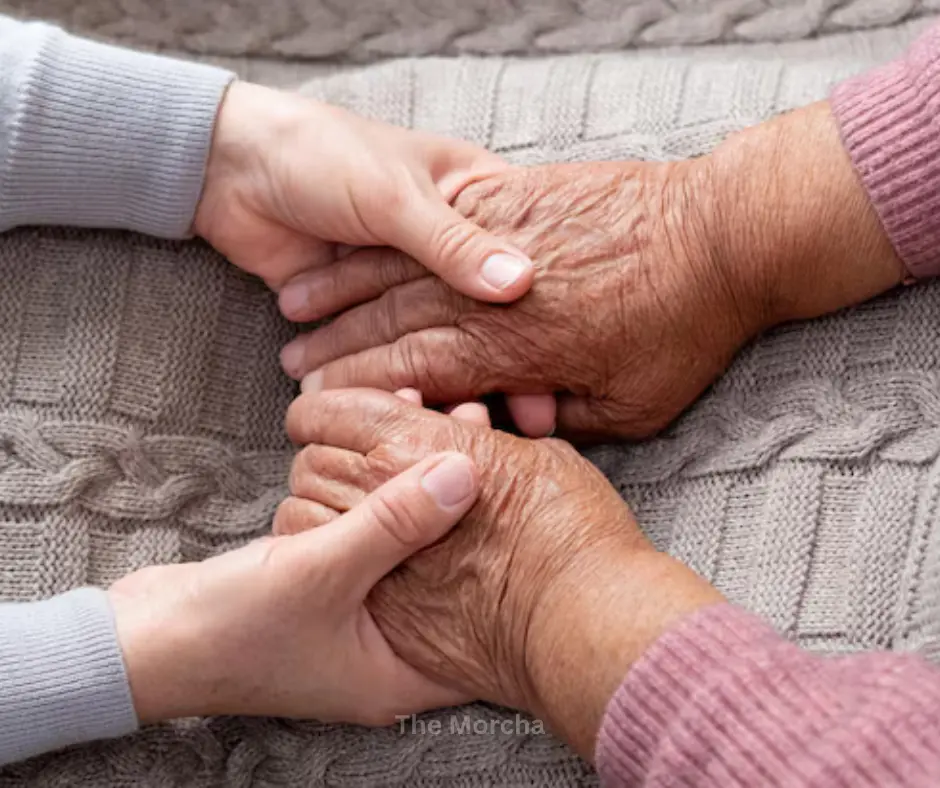
The concept of intergenerational learning is no longer limited to the United States. In Colombia, programs like Experience Corps connect retired professionals with schools, allowing seniors to tutor and mentor students. In Japan, where nearly 30% of the population is over 65, corporate and community initiatives such as Madogiwa-Juku integrate retired workers into advisory roles, ensuring knowledge transfer and continued engagement. Singapore offers government incentives for companies that employ older adults, enabling seniors to remain economically and socially active. Across Europe and Canada, community hubs, shared educational spaces, and public programs are designed to encourage collaboration between youth and elders. These examples demonstrate the versatility of the model across cultural and economic contexts.
Intergenerational Models Emerging in India
India is beginning to explore similar initiatives, particularly in urban centers such as Pune, Coimbatore, Bengaluru, and Chennai. Organizations like Columbia Pacific Communities and Aashirvaad have introduced programs where college students collaborate with older adults in workshops, skill-sharing sessions, and cultural projects. While still in early stages, these initiatives demonstrate the potential for India to adapt global best practices to its own cultural context. Given India’s traditional respect for elders and its growing student population, the country is uniquely positioned to benefit from structured intergenerational engagement.
Skill Exchange and Mutual Learning
A central feature of intergenerational programs is reciprocal skill exchange. Seniors teach younger participants essential life skills, critical thinking, ethics, and professional insights. Simultaneously, students offer seniors training in digital literacy, social media, music, or other contemporary skills. This exchange creates a dynamic, collaborative learning environment that enhances the capacities of both groups. It empowers seniors to remain technologically connected and socially engaged while giving students valuable mentorship and guidance in navigating life’s challenges.
Cognitive, Emotional, and Social Benefits
Engaging with younger generations has measurable cognitive and emotional benefits for seniors. According to studies, older adults who actively participate in learning and mentoring experience a 30% reduction in depressive symptoms. Their cognitive abilities are maintained or even enhanced, as they continuously challenge themselves with new ideas and technologies. At the same time, social interaction combats loneliness and fosters a sense of belonging, which is critical for mental and physical well-being. These programs therefore serve as preventative health measures as much as educational opportunities.
Strengthening Community and Cultural Bonds
Intergenerational learning is not only beneficial for participants but also strengthens the broader community. By breaking down stereotypes and fostering respect between generations, these programs build social cohesion. They help preserve cultural traditions, oral histories, and community values that might otherwise be lost. Seniors become active contributors to communal life, and young people gain a sense of continuity and rootedness. This integration fosters empathy, cooperation, and shared responsibility, creating more resilient and inclusive communities.
Designing Effective Intergenerational Programs
Successful intergenerational initiatives rely on intentional design. Interaction must be structured to ensure meaningful exchange, and both generations should have clearly defined roles and opportunities to contribute. Training programs for older adults can build confidence in mentoring and technology, while support systems for students ensure reciprocal respect. Accessibility, cultural relevance, and inclusion are critical to participation. When carefully planned, these programs create environments that maximize benefits for both seniors and youth.
The Role of Technology in Intergenerational Learning
Technology is a powerful tool for bridging the generational gap. Seniors learn to navigate digital platforms, enhancing autonomy and engagement. Virtual classrooms, collaborative apps, and online mentorship programs allow intergenerational interaction even across geographic distances. However, technology must be introduced with proper support and training to ensure confidence and meaningful participation. By combining traditional mentorship with digital tools, intergenerational programs can reach broader audiences and foster ongoing collaboration.
Policy and Institutional Support
Government and institutional support are essential for scaling intergenerational programs. Policies that incentivize collaboration between schools, universities, retirement communities, and employers create an enabling environment. Funding for infrastructure, training, and research helps programs grow sustainably. Countries like Singapore and Japan demonstrate how policy interventions can enhance participation and ensure seniors remain economically, socially, and academically active. Strong institutional backing ensures that intergenerational programs are not isolated experiments but integral parts of society.

Overcoming Challenges
Despite their benefits, intergenerational programs face challenges. Social perceptions and ageist stereotypes can hinder engagement, and resource limitations may prevent access. Measuring outcomes, particularly emotional and social impacts, can be complex. Solutions include awareness campaigns to shift societal narratives, leveraging volunteer networks, forming public-private partnerships, and developing standardized evaluation frameworks. With proactive planning and support, these obstacles can be addressed, allowing programs to thrive.
Evidence-Based Outcomes
Research shows that intergenerational engagement improves academic performance, emotional resilience, and social skills for youth. For seniors, it reduces depressive symptoms, maintains cognitive function, and provides a renewed sense of purpose. Quantitative metrics, such as improved learning outcomes, and qualitative insights, such as personal satisfaction and strengthened relationships, validate the model’s efficacy. These evidence-based outcomes are critical for advocating wider adoption and scaling of programs globally.
Future Prospects and Expansion
Looking ahead, intergenerational learning has enormous potential for expansion. Urban centers in India, other developing countries, and Western nations can integrate these models into universities, community centers, and housing projects. Technology can extend reach, enabling virtual mentoring and collaborative learning across distances. Cross-cultural knowledge exchange and global research networks can support best practices, allowing societies to learn from one another while addressing local needs. Intergenerational learning is poised to become a cornerstone of holistic education and active aging worldwide.
Creating Lifelong Learning Communities
Ultimately, intergenerational programs redefine the concept of lifelong learning. They transform education and community life from age-segmented experiences into continuous, collaborative processes. Seniors remain contributors to knowledge, culture, and social cohesion, while youth gain mentorship, skills, and guidance. Communities that embrace this model cultivate respect, empathy, and cooperation across generations, preparing both young and old to navigate a rapidly changing world with confidence and resilience.

Thriving Across Generations
The intersection of longevity, education, and community engagement presents an unprecedented opportunity to rethink aging and learning. Intergenerational programs like Mirabella at ASU, Experience Corps in Colombia, Madogiwa-Juku in Japan, and emerging Indian initiatives demonstrate that collaboration between generations enriches society, strengthens emotional and cognitive health, and fosters continuous growth. By creating spaces where youth and seniors learn from each other, share skills, and build relationships, we are not only enhancing individual well-being but also cultivating communities that thrive across generations. In a world where people are living longer and society is evolving faster, intergenerational collaboration is more than a trend — it is a necessary strategy for sustainable, inclusive, and meaningful human development.