
Indresh Upadhyay and Shipra Sharma The marriage of Kathavachak Indresh Upadhyay and Shipra Sharma emerged as one of the most widely discussed and celebrated events in the spiritual and cultural spheres of India in December 2025. What made this wedding extraordinary was not merely the union of two individuals but the harmonious blending of devotion, heritage, modernity, and public optimism that surrounded it. As a young spiritual storyteller with millions of followers, Indresh had become a notable figure among devotees and youth alike for his eloquence, humility, and modern approach to spirituality.
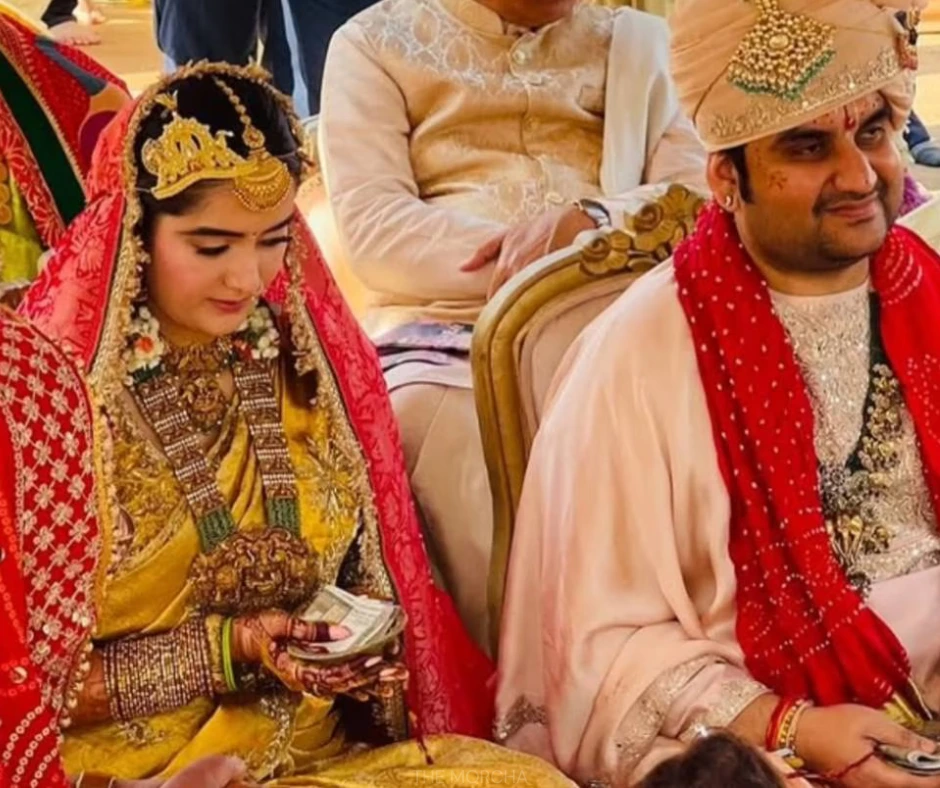
Shipra, on the other hand, represented dignity, grace, and a spiritual inclination that complemented Indresh’s path. Their marriage symbolized the merging of two respected families, two strong value systems, and two individuals whose shared journey is expected to influence many in the spiritual landscape. The ceremony’s grandeur, combined with its deep-rooted adherence to Vedic customs, made it both a social and spiritual milestone, attracting national attention and extensive media coverage.
Table of Contents
The Life and Journey of Indresh Upadhyay
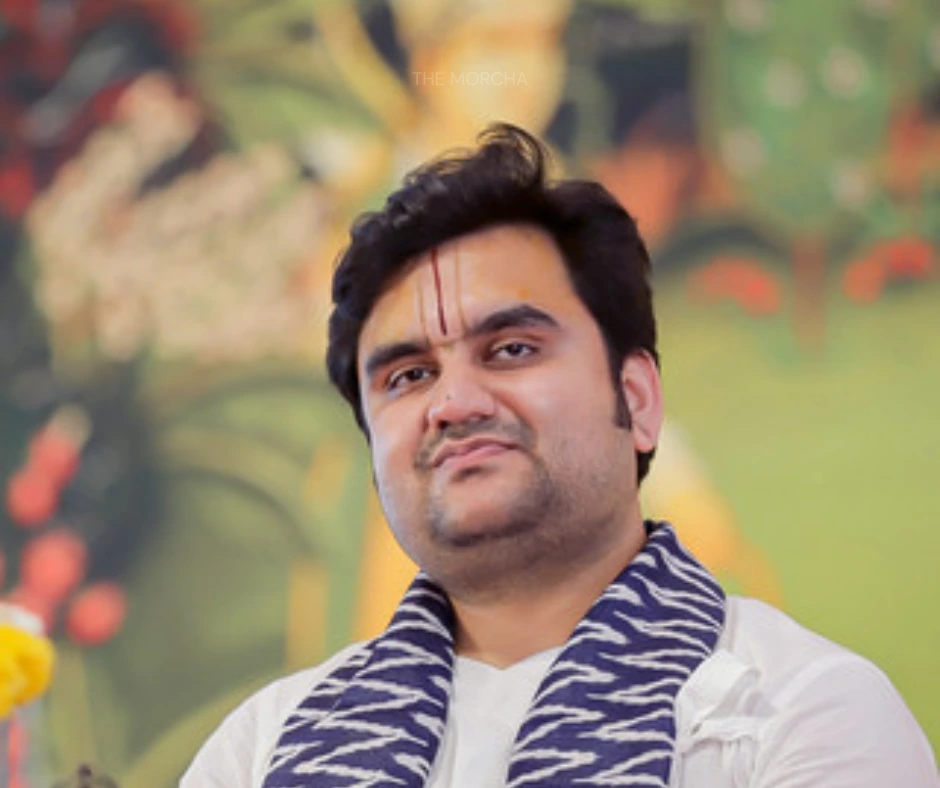
Born on 7 August 1997 in the sacred land of Vrindavan, Indresh grew up immersed in devotional practices, scriptures, and spiritual values. His father, Krishna Chandra Shastri, a respected Kathavachak himself, played an instrumental role in shaping Indresh’s understanding of religious philosophy. His mother, Narwada Sharma, nurtured his early interest in scriptures, instilling in him the values of humility, compassion, and commitment to dharma. By the age of 13, Indresh had already memorized and studied the Bhagavad Gita, demonstrating not only exceptional dedication but also an early clarity in his spiritual purpose. Over the years, he refined his oratory skills, learning from traditional gurus, engaging with saints, and observing ancient practices.
As he matured, Indresh founded the Bhaktipath Organisation, which aimed to spread spiritual teachings through modern means, blending traditional wisdom with contemporary communication. His increasing popularity on social media—especially Instagram, where he attracted over 2.1 million followers—highlighted his ability to convey deep spiritual messages in relatable, accessible ways. Despite fame, he maintained a soft-spoken presence, an approachable personality, and a commitment to inspire people regardless of age or background. His rise as a youth icon in the spiritual world set the stage for public curiosity about his personal life, leading to nationwide attention when news of his wedding surfaced.
The Graceful Presence of Shipra Sharma
Shipra Sharma, the bride, brought to the wedding narrative a distinct aura of grace, gentleness, and strong-rooted values. Originally from Yamuna Nagar in Haryana, she belonged to a well-respected and disciplined family. Her father, Harendra Sharma, served as a DSP (Deputy Superintendent of Police), a role that demanded leadership, moral uprightness, and social responsibility—qualities that deeply influenced Shipra throughout her upbringing. Some reports suggest that her family eventually shifted to Amritsar, Punjab, where she continued her education and lived closely connected to cultural and spiritual traditions.
Unlike Indresh, Shipra was not a public personality, which added an element of freshness and admiration to her wedding coverage. Media and attendees described her as soft-spoken, cultured, and someone who carried herself with dignity and elegance. Her affinity for spirituality, visits to Vrindavan, and comfort within devotional communities created a natural link between her path and Indresh’s. Although she maintained a private life, her appearance during wedding ceremonies—especially in photographs from Mehendi and Sangeet functions—revealed a poised, radiant woman who embodied both traditional values and contemporary elegance. She instantly captured public attention, not through social-media presence, but through her understated charm and serene demeanor.
How Indresh and Shipra Met
Though the complete story of their first meeting remains private, media narratives collectively suggest that the families had known each other for years through spiritual gatherings, social circles, or devotional events. Their acquaintance likely developed in environments where devotion, scripture-based discussions, and family values played a central role. Rather than a typical modern romance built on digital communication or social media, their connection appears to have blossomed through shared values, mutual admiration, and a natural compatibility nurtured by both families.
The relationship evolved gradually and respectfully, with the blessings of elders, alignment of spiritual outlooks, and harmony in cultural backgrounds. Their journey reflects a blend of tradition and modern understanding—demonstrating that while rooted in heritage, both individuals appreciated each other’s personalities, aspirations, and life philosophies. This foundation of mutual respect and shared devotion became one of the most celebrated aspects of their marriage, making their union appear not only culturally harmonious but emotionally meaningful.
A Majestic Vedic Ceremony in Jaipur
The wedding took place on 5 December 2025 at the magnificent Taj Amer Palace in Jaipur, a venue known for its royal architecture, serene ambience, and cultural richness. The palace was transformed into a divine setting, decorated with traditional Vedic elements—lotus motifs, sacred symbols, floral mandalas, and lamps that illuminated every corner with a warm spiritual glow. The mandap was particularly striking, designed after the architectural inspiration of the Tirupati Balaji Temple, symbolizing auspiciousness, prosperity, and divine grace.
The wedding rituals were conducted according to ancient Vedic scriptures, with priests chanting mantras and guiding the couple through the sacred rites that represent union, devotion, and lifelong companionship. The couple took seven pheras, each representing commitments of mutual support, love, respect, duty, and spiritual partnership. The ceremony lasted nearly three hours, during which both families participated with joy, reverence, and pride. The event was not only a marriage but a celebration of tradition—an affirmation that sacred rituals continue to hold relevance and meaning even in a fast-changing modern world.
Procession and Pre-Wedding Festivities
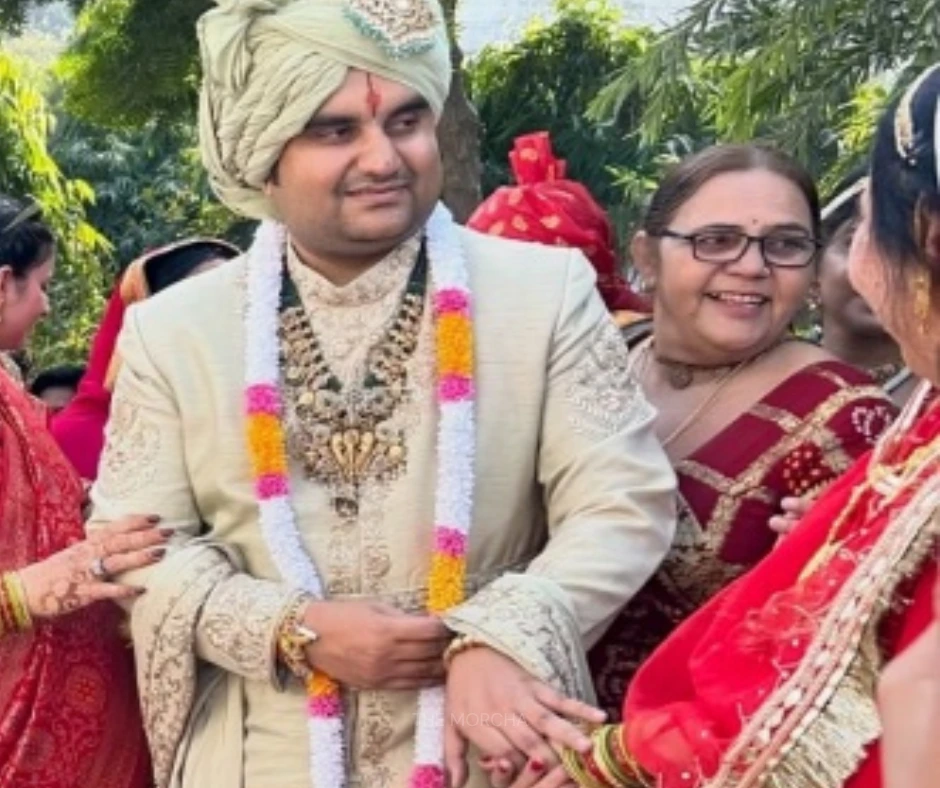
The pre-wedding ceremonies—Mehendi, Haldi, and Sangeet—were infused with vibrant cultural energy. Shipra appeared in exquisite traditional attire, with her Mehendi photos becoming widely shared on social media due to their simplicity and elegance. Indresh’s Haldi ceremony reflected the warmth and joy of a family deeply connected to devotion and tradition. The baraat, arriving from Vrindavan, was one of the wedding’s most memorable spectacles.
Indresh rode a beautifully adorned horse wearing an ivory sherwani and a regal turban, carrying a symbolic silver staff. A heartwarming moment captured by the media was the presence of a young girl—his niece—sitting on the horse with him, symbolizing familial affection and drawing affection from the public. The baraat combined devotional music, traditional instruments, and spiritual chants, creating an atmosphere of both celebration and sanctity. The pre-wedding days were filled with colorful rituals, joyous dancing, family bonding, and heartfelt blessings from saints, elders, and well-wishers.
The Guestlist and the Spiritual Aura of the Ceremony
The wedding was attended by numerous saints, kathavachaks, spiritual dignitaries, and notable personalities, marking it as more than just a family event. Prominent figures such as Dhirendra Shastri and other respected preachers honored the occasion with their presence, symbolizing solidarity, respect, and affection within the spiritual fraternity. The guestlist reflected the esteem in which Indresh is held—his spiritual reach, the goodwill he has generated, and the inspirational impact of his teachings.
The gathering of scholars, devotees, and religious personalities from across India created an atmosphere where spirituality merged seamlessly with celebration. This added a layer of blessing and sanctity to the event, making it feel like a divine union witnessed by the guardians of tradition and devotion.
Why the Wedding Became a National Talking Point
This wedding stood out not merely due to its grandeur but because of what it represented in modern Indian society. It showcased a young spiritual leader embracing family life, demonstrating that devotion and matrimonial responsibilities can coexist harmoniously. For followers, this marriage served as a reminder that spirituality is not only for ascetics but also for householders who seek a purposeful, value-driven life.
The wedding’s blend of Vedic rituals with contemporary elegance reflected the evolving nature of Indian culture—where tradition is preserved even as lifestyles modernize. Social media amplified this cultural moment, circulating images and videos that reached millions. The presence of celebrities, respected saints, and influential figures further elevated the event’s cultural significance, sparking discussions about spirituality, public life, and modern Indian identity.
A Marriage of Values, Heritage, and Modernity
Beyond personal happiness, the marriage of Indresh and Shipra symbolized the meeting of two powerful ideals—devotion and grace. It represented a union where spirituality becomes the foundation of marital life, where ancient customs guide modern decisions, and where cultural heritage continues thriving in a rapidly changing world.
In a time where many young people feel distanced from tradition, this wedding demonstrated that cultural roots can remain strong without compromising modern aspirations. It also reflected the rising preference among youth to embrace both spiritual values and contemporary lifestyles. The marriage brought attention to the importance of family, respect for elders, spiritual education, and meaningful partnerships—values that define Indian society’s deeper philosophical fabric.
The Future Path of the Couple
As the couple stepped into married life, public curiosity shifted toward their future roles—whether Shipra will become more publicly involved in spiritual programs, how Indresh will balance family life with his devotional mission, and what contributions they might make together to spiritual education or social upliftment. Many admirers hope the couple will influence youth through example, promoting a balanced life rooted in values, devotion, and mutual respect.
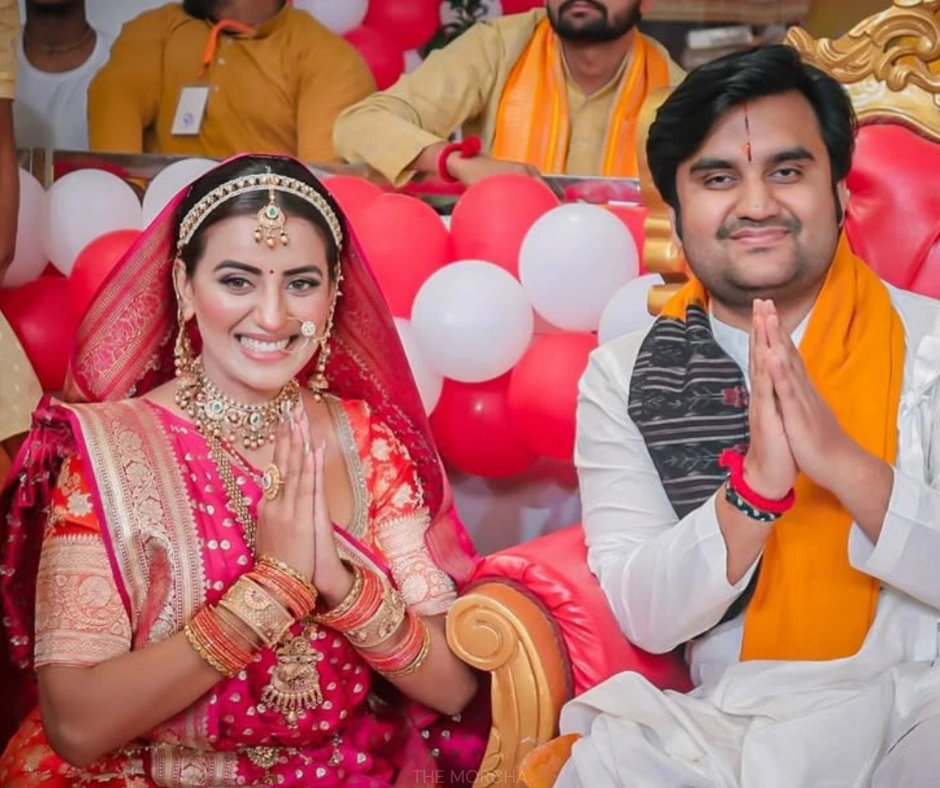
Their journey ahead may include spiritual collaborations, charitable initiatives, social participation, or community service. Regardless of the direction they choose, their marriage already stands as a profound moment in modern spiritual culture, one that many will continue to remember and draw inspiration from.
The Spiritual Dimension of the Marriage
The wedding of Indresh Upadhyay and Shipra Sharma carries a profound spiritual undertone that extends far beyond the rituals performed on the mandap. In Indian philosophy, marriage is considered a sacred samskara—a transformative ritual that elevates two individuals from independent seekers to shared travelers on the path of dharma. In the context of Indresh, a young preacher who has dedicated his life to spreading devotion, this union symbolizes not merely personal happiness but a shift into a new stage of spiritual responsibility.
His marriage invites deeper reflection on how a grihastha, or householder, can lead a life of devotion without renouncing worldly duties. Shipra’s presence in his life, marked by her quiet poise and natural inclination toward spiritual values, becomes a reinforcing pillar in this journey. In many ways, their marriage embodies the classical Hindu ideal that spirituality thrives not only in hermitages but also in households guided by purity, compassion, and mutual commitment. This broader spiritual meaning resonated with followers across India who saw the union as an affirmation that sacredness permeates all aspects of life when approached with sincerity and devotion.
The Role of Family Lineage and Cultural Continuity
One of the most interesting aspects of this wedding is how it highlights the continuity of cultural and family lineage. Indresh comes from a long tradition of scholars, Kathavachaks, and spiritual practitioners. His father and extended family have upheld Vedic knowledge for generations, creating an environment where storytelling, scripture recitation, and spiritual teachings were woven into everyday life. By choosing a bride like Shipra, whose upbringing emphasized discipline, moral integrity, and respect for values, the union stands as a bridge between two strong family traditions.
This continuity is not merely symbolic—it plays a crucial role in preserving the authenticity of spiritual dissemination. Families like these are seen as custodians of India’s intangible heritage, passing on to future generations the living culture of scriptures, devotion, rituals, and moral principles. Their marriage, therefore, strengthens this intergenerational transmission of values. Followers, especially elder devotees, honored this union as reassurance that tradition will not only survive but flourish in modern times. This sentiment was echoed by saints and respected preachers who attended the wedding, recognizing that such unions help maintain the sanctity and relevance of dharmic culture.
The Cultural Impact of the Wedding on Youth and Society
One of the most notable impacts of this wedding is the effect it had on young people, particularly those who admire Indresh as a spiritual guide. In recent years, India has witnessed a shift where younger generations are eager to reconnect with their cultural roots but often lack relatable examples. Indresh, with his youthful energy, modern communication style, and deep reverence for tradition, has become a connecting point between ancient teachings and contemporary life. His marriage to Shipra demonstrated that devotion does not require isolation from society; instead, it can be integrated beautifully into family life.
Thousands of young followers expressed admiration for the simplicity, dignity, and cultural richness of the wedding. Many commented that they found inspiration to pursue meaningful relationships grounded in shared values rather than superficial trends. The couple’s union revived conversations about traditional matchmaking, family blessings, and Vedic customs within modern households. Social media was filled with young people expressing renewed respect for rituals like the seven pheras, kanyaadaan, varmala, and sacred chants. Thus, the wedding served as a cultural reminder that rituals carry emotional and philosophical significance, and they continue to hold relevance even in a digital, fast-paced world.
The Aesthetic Vision Behind the Wedding Décor and Rituals
The visual presentation of the wedding was crafted to honor Vedic aesthetics while reflecting contemporary elegance. The choice of Taj Amer Palace as the venue provided a grand architectural backdrop that resonated with royal Rajasthani heritage. The entire palace was adorned with marigold garlands, jasmine strings, lotus designs, and brass lamps—all chosen for their symbolic association with purity, prosperity, and divinity. The mandap inspired by the Tirupati Balaji Temple evoked spiritual reverence, demonstrating meticulous attention to detail—from sacred geometrical patterns on the floor to traditional pillars decorated with sandalwood paste and vermillion motifs.
The lighting was warm and golden, giving the environment a celestial glow that resembled scenes from ancient temple rituals. The soundscape of the wedding was equally remarkable. Instead of modern DJs or electronic music, the ceremonies featured traditional instruments—shehnai, tabla, mridangam, conch shells, and temple bells—creating a serene, spiritually charged ambiance. These details showcase a conscious attempt to reconnect modern celebrations with cultural roots. The wedding became a design inspiration for many families seeking to revive traditional aesthetics in contemporary settings.
Shipra’s Role as a Cultural Symbol of Modern Traditionalism
Although Shipra remained mostly away from the limelight before her marriage, her presence during the wedding became a symbol of modern traditionalism. Her bridal attire—a deep red lehenga with intricate hand embroidery—carried elements drawn from classical North Indian bridal wear. Inspired by Rajasthani and Mughal artistry, the outfit featured traditional motifs like peacocks, lotus flowers, and vines done in zardozi, dabka, and resham work. Yet, despite the richness of the attire, her overall look maintained simplicity and elegance, reflecting her personality.
Her jewelry included heirloom pieces such as polki sets, nath, chooda, kaleere, and a maang-tikka, each chosen for its symbolic meaning in Hindu matrimony. More than fashion, her demeanor—soft-spoken, composed, and respectful—captured the public imagination. In a time where many wedding trends emphasize extravagance and showmanship, Shipra represented a refreshing balance between beauty, dignity, and cultural depth. She became an example for many young women who desire to blend tradition with refinement. Her role in this event highlighted how a bride can influence the cultural tone of a wedding simply through presence, grace, and authenticity.
A Celebration That Continues to Inspire
As the celebrations settled and the couple stepped into their new life, the impact of their wedding continued to reverberate among followers and admirers. The union of Indresh Upadhyay and Shipra Sharma remains a celebration not only of love but of shared purpose, family heritage, and spiritual partnership. Their marriage is remembered as a moment where devotion met destiny, tradition met elegance, and culture met modernity.
It stands as a beacon of inspiration for countless people who dream of relationships founded upon mutual respect, shared values, and spiritual depth. As the couple moves forward on their journey, their story continues to remind the world that in the heart of Indian culture, marriage remains a sacred, transformative, and deeply meaningful union.