
Himachal Pradesh has announced significant changes to its entry fee structure, effective from April 1, 2026. This comprehensive revision affects a wide range of vehicles, including private cars, heavy vehicles, construction machinery, and agricultural equipment. With the aim of modernizing the fee collection system and ensuring transparent, equitable revenue generation for infrastructure development, the government has implemented a tiered structure that reflects vehicle size, purpose, and frequency of entry.
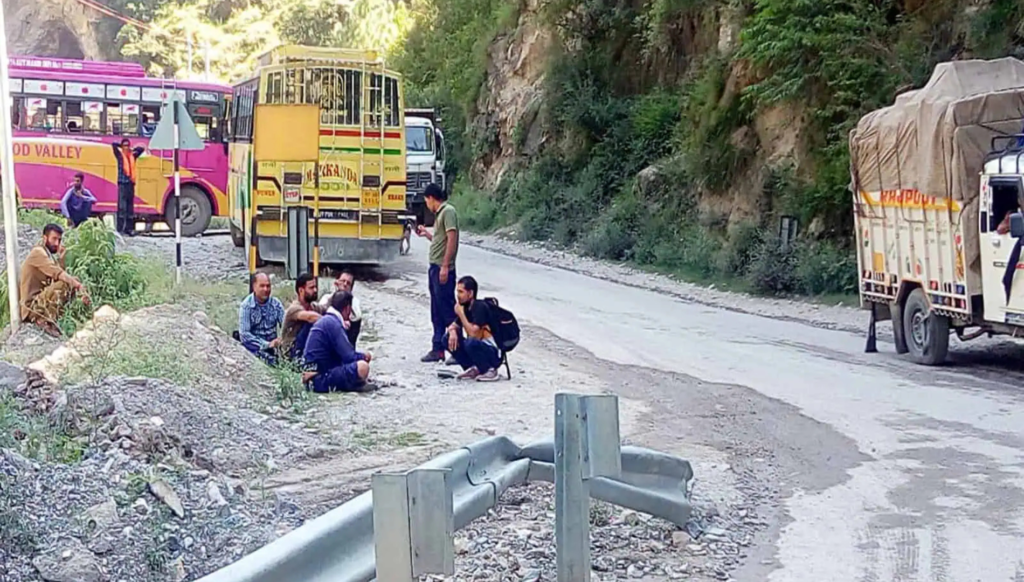
This move is expected to streamline the process for commuters, tourists, and commercial transporters while boosting local development projects across the state.
Table of Contents
The Rationale Behind Fee Revision
Over the past decade, Himachal Pradesh has witnessed a steady increase in tourism, vehicular traffic, and commercial transit, putting pressure on roads and public infrastructure. The previous entry fee system, which had largely remained unchanged for several years, failed to match the rising maintenance and developmental costs. The government’s decision to revise entry fees is not merely a revenue-generating measure but a strategic effort to manage traffic, maintain highways, and invest in safer travel corridors. By categorizing vehicles and introducing differentiated pricing, the policy also seeks to encourage responsible use of public roadways.
Overview of the New Fee Structure
The new entry fee structure introduces a significant hike for most vehicle categories. For regular private and passenger vehicles, the rates have more than doubled. Commercial and heavy vehicles, including buses, trucks, and construction machinery, also see a substantial increase, while certain categories like double-axle vehicles retain their previous rates. The fees are designed to reflect vehicle type, axle count, and potential road impact, ensuring that larger and heavier vehicles contribute proportionally to maintenance costs.
Private Vehicles and General Cars
Private and general passenger vehicles have historically been the largest category in terms of numbers. Under the previous system, these vehicles paid an entry fee of ₹70. The new fee is ₹170, representing an increase of over 140%. While this may seem steep, officials argue that the enhanced revenue will be used for road repair, traffic management, and safety enhancements at entry points. For tourists and daily commuters, the revised fee is a minor adjustment compared to the overall benefits of improved infrastructure and faster processing at toll points.
Heavy Vehicles
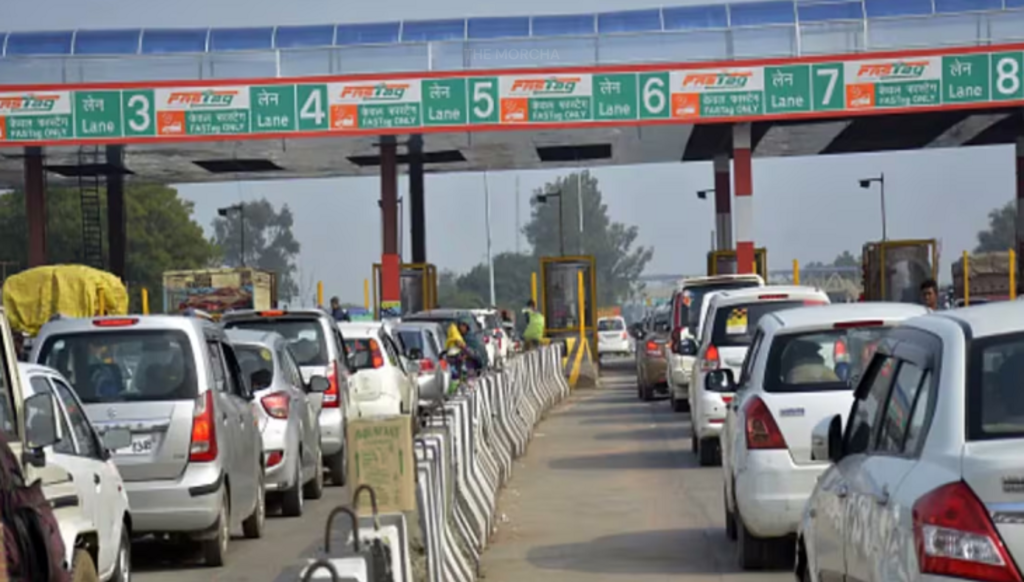
Commercial and heavy vehicles, which include trucks, buses, and other freight carriers, are particularly impacted by the new fees. Previously, heavy vehicles paid ₹720, which has now been revised to ₹900. The increase aligns with the government’s broader goal of making road maintenance sustainable and ensuring that vehicles causing higher wear-and-tear contribute accordingly. Transport companies are encouraged to adopt Fastag-enabled transactions to benefit from a streamlined process and reduced waiting times at checkpoints.
Construction Machinery and JCBs
Construction machinery, including cranes, JCBs, and similar equipment, now falls under the higher fee bracket. Earlier, these vehicles were charged ₹570, but the revised rate is ₹800. The adjustment accounts for the significant impact such machinery has on road surfaces and the increased need for regulating construction-related traffic. This change also encourages better scheduling of heavy equipment movement to minimize congestion on key highways and entry points.
Double Axle Vehicles
Interestingly, double-axle vehicles retain their previous entry fee of ₹570. This decision reflects the government’s assessment that these vehicles, while substantial in size, have a comparatively limited impact on infrastructure relative to heavier multi-axle trucks and construction equipment. Maintaining the existing fee for this category provides some relief to commercial operators who rely heavily on double-axle trucks for logistics and regional transport.
The Role of Fastag in Modernizing Fee Collection
One of the cornerstone changes accompanying the fee revision is the implementation of the Fastag system at all entry points. Fastag, a radio-frequency identification-based electronic toll collection system, enables cashless, automatic deduction of fees, reducing waiting time and enhancing transparency. By integrating Fastag at entry barriers in Himachal Pradesh, the government ensures that the new fee structure can be efficiently enforced while minimizing human error and operational delays.
Key Entry Points Where Fees Are Applicable
The revised entry fees are applicable at multiple strategic locations across the state. Some of the major points include:
- Garamoda
- Parwanoo Baddi
- Mahtapur
- Kandwal
- Govindghat
These locations are not only entry points for local traffic but also serve as gateways for tourism and commercial transport, making the fee revision particularly impactful for both residents and visitors.
Vehicle Category-Wise Fee Comparison
A detailed comparison between old and new fees highlights the scale of the revision:
- Private vehicles: ₹70 → ₹170
- Heavy vehicles: ₹720 → ₹900
- Construction machinery/JCB: ₹570 → ₹800
- Double-axle vehicles: ₹570 (unchanged)
This structure ensures clarity and fairness while allowing authorities to plan revenue collection more effectively.
Implementation Strategy and Operational Timeline
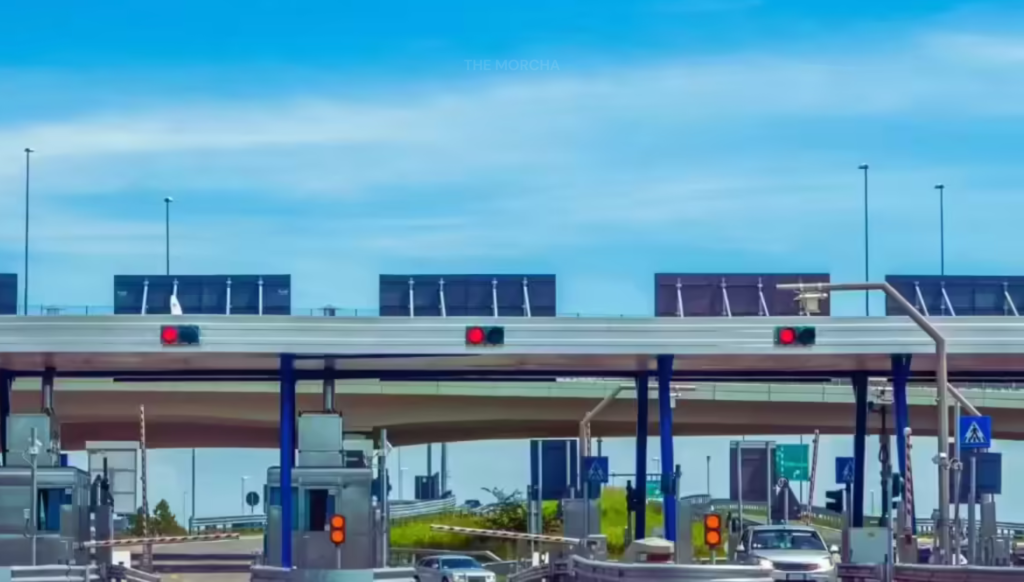
The revised fees are effective from April 1, 2026. Implementation involves setting up modern entry barriers equipped with Fastag readers, trained staff for oversight, and clear signage displaying fee information. To ensure compliance, authorities will conduct regular audits and may penalize non-compliant vehicles. The government emphasizes that this approach prioritizes transparency, efficiency, and minimal disruption to commuters.
Impact on Tourism and Local Economy
Himachal Pradesh is a major tourist destination, attracting millions annually. While some travelers may initially perceive the fee hike as an additional expense, the long-term benefits include better-maintained roads, reduced congestion, and faster processing at entry points. For local businesses, the enhanced infrastructure supports smoother supply chains, timely delivery of goods, and increased footfall at tourist spots.
Environmental Considerations
The government also points out the indirect environmental benefits of the revised fee structure. By encouraging the use of Fastag and categorizing fees based on vehicle type, there is a subtle push toward more efficient traffic management. Reduced idling at toll points decreases vehicular emissions, and the system indirectly discourages overuse of heavy vehicles on sensitive mountain roads, which can prevent road degradation and landslides.
Feedback from Stakeholders
Early reactions from transport operators, tourists, and local residents show mixed sentiments. While commercial transporters express concern over higher costs, many appreciate the move toward modern, digitalized, and transparent fee collection. Local authorities report that Fastag integration has already resulted in smoother traffic flow during pilot runs, and feedback from tourists indicates minimal inconvenience due to efficient automated processing.
Challenges and Solutions
Implementing a major fee revision across multiple entry points naturally comes with challenges. These include educating drivers about the new fees, ensuring Fastag availability, and managing peak-time traffic efficiently. To address these issues, the government has planned awareness campaigns, onsite assistance at entry barriers, and integration with popular navigation apps to notify drivers of fees in advance.
Long-Term Vision and Road Development
The fee hike is part of a broader vision for sustainable infrastructure development in Himachal Pradesh. Revenue from the revised fees will be allocated toward highway widening, bridge maintenance, slope stabilization, and emergency services along major transit routes. This ensures not only safer travel but also enhanced capacity for tourism and commerce, aligning with the state’s long-term economic growth objectives.
A Step Toward Modernized Infrastructure
The revised entry fees in Himachal Pradesh reflect a balance between revenue generation, traffic management, and infrastructural development. While the increase may require some adjustment from commuters and commercial operators, the benefits in terms of road safety, efficiency, and transparency are significant.
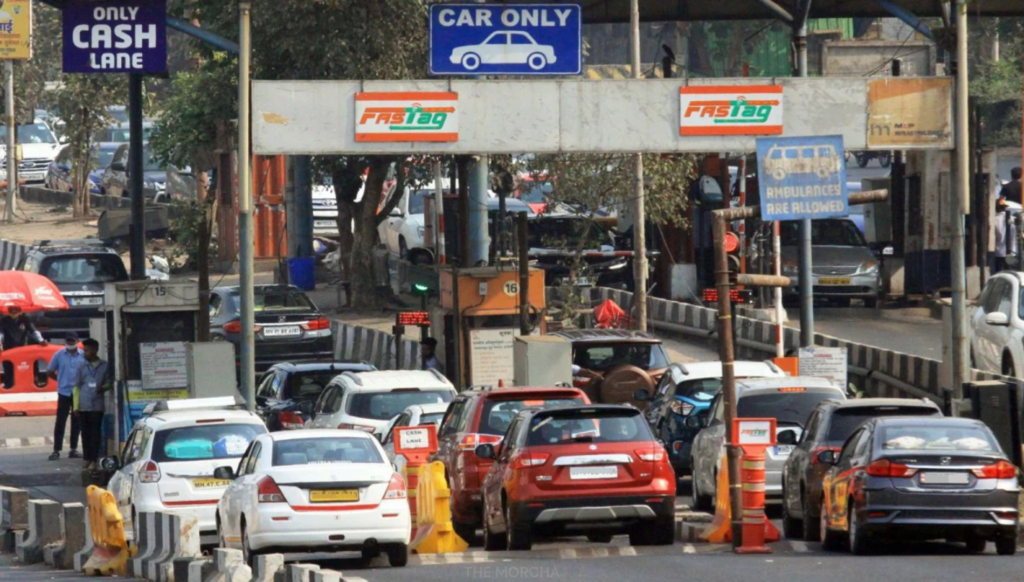
The integration of Fastag technology ensures a modernized, automated, and user-friendly system, positioning the state as a model for other regions considering similar reforms. With careful implementation, ongoing stakeholder feedback, and targeted use of revenue, the new entry fee structure is poised to positively impact both residents and visitors in the years ahead.