
Lal Bahadur Shastri Jayanti is observed every year on October 2 to commemorate the birth anniversary of Lal Bahadur Shastri, India’s second Prime Minister. Born in 1904, Shastri became one of the most respected leaders in India’s post-independence history.
Interestingly, his birthday falls on the same day as that of Mahatma Gandhi. While October 2 is widely associated with Gandhi Jayanti, the day also provides an opportunity to remember Shastri’s extraordinary contribution to India’s freedom movement, national security, agriculture and public life.
Known for his simplicity, humility, integrity and courage, Lal Bahadur Shastri led India during a challenging period marked by food shortages, economic difficulties and the 1965 war with Pakistan. His famous slogan “Jai Jawan, Jai Kisan” continues to represent the importance of both India’s soldiers and farmers.
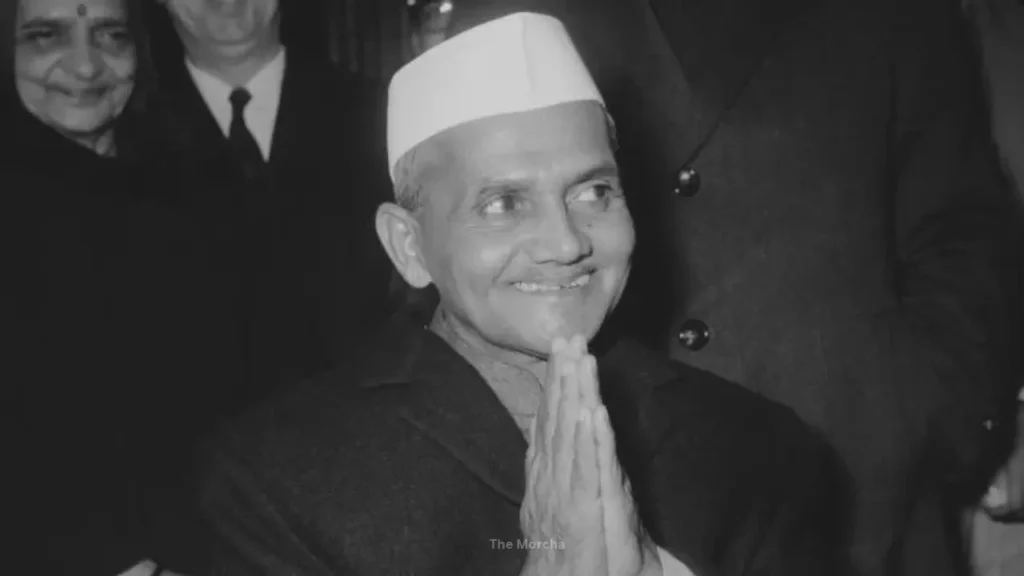
Table of Contents
When Is Lal Bahadur Shastri Jayanti Celebrated?
Lal Bahadur Shastri Jayanti is celebrated on October 2, the birth anniversary of Lal Bahadur Shastri. He was born on October 2, 1904, in Mughalsarai, Uttar Pradesh, which is now known as Deen Dayal Upadhyaya Nagar. The day is remembered through tributes, educational programs, speeches and discussions about his contribution to India.
Who Was Lal Bahadur Shastri?
Lal Bahadur Shastri served as India’s second Prime Minister from 1964 until his death in January 1966. Although his tenure was relatively short, he faced some of India’s most serious challenges after independence.
He had to address food shortages, economic pressure and national security concerns while also maintaining public confidence. His leadership style was notably simple and restrained. He was known for avoiding unnecessary displays of power and for emphasizing personal responsibility.
Early Life of Lal Bahadur Shastri
Lal Bahadur Shastri was born into a modest family. His father, Sharada Prasad Srivastava, died when Shastri was very young, after which his mother, Ramdulari Devi, raised him and his siblings. Growing up with limited resources helped shape his attitude toward simplicity and self-reliance.
As a young man, he became increasingly interested in India’s freedom movement and the ideas of national service. His early experiences played an important role in shaping the values for which he later became known.
Why Did He Use the Name Shastri?
Lal Bahadur Shastri was originally born Lal Bahadur Srivastava. He later gave up his caste-associated surname. In 1926, after completing his studies at Kashi Vidyapith in Varanasi, he received the academic title “Shastri,” meaning scholar.
The title eventually became part of his name.
His decision to move away from a caste-based surname is often remembered as part of his personal commitment to social equality.
Lal Bahadur Shastri and the Freedom Movement
Lal Bahadur Shastri Jayanti also provides an opportunity to remember Shastri’s contribution to India’s struggle for independence. He became involved with the freedom movement at a young age and was influenced by Mahatma Gandhi’s call for non-cooperation. He participated in various activities associated with India’s independence struggle and spent significant periods in British prisons.
During his imprisonment, Shastri used his time for reading and studying political philosophy. These experiences helped develop his understanding of public service and leadership.
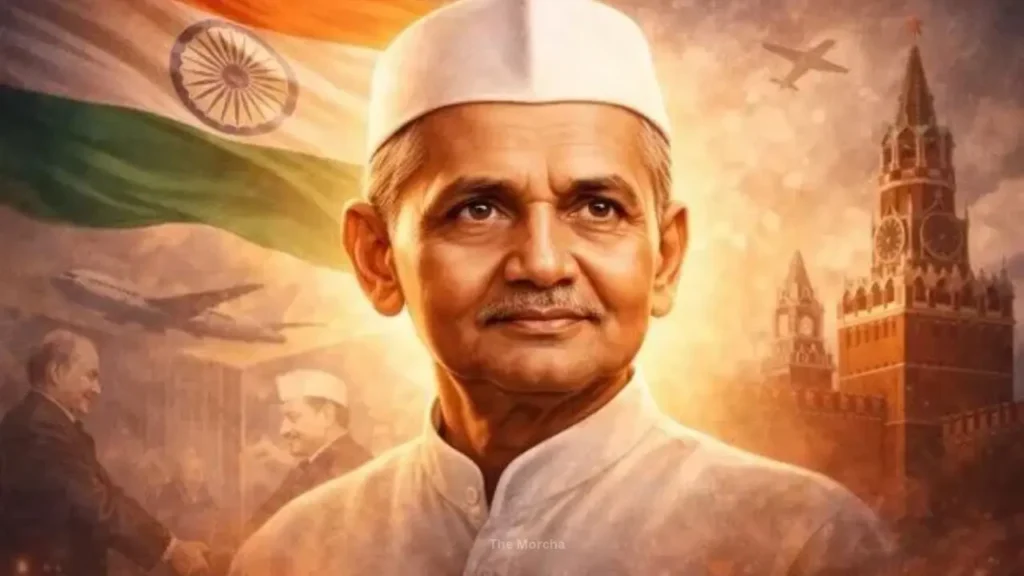
His Work with the Servants of the People Society Shastri became associated with the Servants of the People Society, an organization founded by Lala Lajpat Rai. The organization focused on social service and the welfare of disadvantaged communities.
Shastri worked among ordinary people and developed a close understanding of social and economic problems. This experience later influenced his approach to public administration and political leadership.
Lal Bahadur Shastri’s Political Journey After Independence
After India became independent in 1947, Shastri took on several important responsibilities. He served in the Uttar Pradesh government before moving into national politics. Among his major responsibilities were roles connected with transport, police, railways and home affairs. His administrative career established his reputation as a disciplined and responsible public servant.
His Work as Transport and Police Minister While serving in the Uttar Pradesh government, Shastri was associated with several administrative changes. One notable decision was the introduction of women conductors in public transportation.
He also supported the use of water jets instead of lathis for crowd control in certain situations, reflecting an approach that sought to reduce physical confrontation. These decisions demonstrated his interest in administrative reform and public participation.
The Railway Minister and His Resignation
One of the most frequently remembered episodes of Shastri’s political career was his resignation as Union Railway Minister. Following a major railway accident at Ariyalur in Tamil Nadu in 1956, Shastri accepted moral responsibility and resigned from his position.
Although Prime Minister Jawaharlal Nehru reportedly expressed confidence in Shastri personally, Shastri chose to step down. The episode became associated with his understanding of ministerial accountability.
Becoming India’s Second Prime Minister After Jawaharlal Nehru died in May 1964, Lal Bahadur Shastri became India’s second Prime Minister. He inherited a country facing serious challenges. India was dealing with food shortages, economic pressures and security concerns. Despite these difficulties, Shastri emphasized national unity and encouraged citizens to contribute to the country’s development.
Lal Bahadur Shastri and Food Security Food security was one of the major challenges during Shastri’s time as Prime Minister. India faced agricultural difficulties and depended partly on food imports.
Shastri encouraged farmers to increase agricultural production and supported efforts to improve farming methods. His government also encouraged the development of agricultural institutions and policies that contributed to India’s later agricultural transformation.
The Green Revolution
The foundations of India’s Green Revolution were strengthened during the 1960s. Shastri supported agricultural modernization and emphasized the importance of increasing domestic food production. The period saw greater attention toward improved seeds, irrigation, fertilizers, agricultural research and farming technology.
The Green Revolution later transformed India’s agricultural production, although its benefits and environmental effects have also been subjects of extensive historical and economic discussion.
The Beginning of the White Revolution
Shastri also supported the development of India’s dairy sector. During his time as Prime Minister, he visited Anand in Gujarat and encouraged the cooperative dairy model associated withlocal farmers and leaders such as Tribhuvandas Patel and Verghese Kurien.
This model later became an important part of India’s dairy development and the White Revolution. The National Dairy Development Board was established in 1965, helping provide institutional support for dairy development.
“Jai Jawan, Jai Kisan”
The phrase “Jai Jawan, Jai Kisan” is perhaps the most famous expression associated with Lal Bahadur Shastri. It means “Hail the Soldier, Hail the Farmer.” The slogan recognized the contribution of two groups essential to national life:
Soldiers who protect the country
Farmers who produce food for the nation
During a period when India faced both military and food-security challenges, the slogan emphasized the importance of national defense and agricultural production. Even today, “Jai Jawan, Jai Kisan” remains closely associated with Shastri’s legacy.
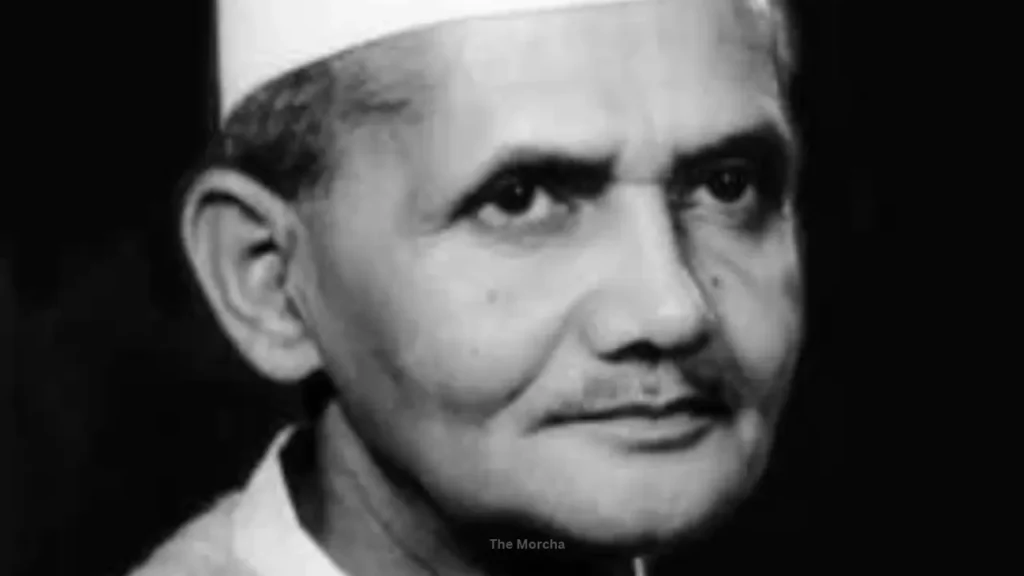
The 1965 Indo-Pak War One of the biggest challenges of Shastri’s prime ministership was the 1965 Indo-Pak War. The conflict developed into a major military confrontation between India and Pakistan.
Shastri provided political leadership during the conflict and supported the Indian Armed Forces. His calm approach during the crisis contributed to his image as a leader who combined personal humility with determination during national emergencies.
Lal Bahadur Shastri’s Leadership During the Crisis
Lal Bahadur Shastri Jayanti is especially significant because his leadership is often studied in the context of crisis management. He had to deal with military pressure while the country was simultaneously facing food shortages.
Rather than presenting leadership as personal authority, Shastri emphasized collective national responsibility. His public appeals encouraged citizens to conserve food and support the country during difficult circumstances.
The Weekly Fast Appeal
During the food crisis, Shastri encouraged citizens to reduce food consumption. A frequently cited part of this effort was the appeal for people to voluntarily observe a weekly fast or skip one meal.
Reports of the period also note that Shastri practiced the idea within his own household before encouraging the wider public to participate. The episode is remembered as an example of his emphasis on leading by personal example.
The Tashkent Agreement
The 1965 war eventually ended with diplomatic negotiations. In January 1966, Shastri traveled to Tashkent, then part of the Soviet Union, for talks with Pakistani President Ayub Khan.
The Soviet Union played a mediating role in the negotiations. On January 10, 1966, India and Pakistan signed the Tashkent Declaration, agreeing to restore relations to the pre-war position and withdraw forces to positions held before the conflict. Lal Bahadur Shastri Jayanti provides an opportunity to remember this important chapter of his leadership, as the agreement remains a significant event in the diplomatic history of the subcontinent.
The Tragic Death of Lal Bahadur Shastri
Only hours after the Tashkent Declaration was signed, Lal Bahadur Shastri died on the night of January 10–11, 1966.
- The official account attributed his death to a heart attack.
- His sudden death shocked India.
- He was only 61 years old.
The circumstances surrounding his death have been discussed and questioned in various public accounts over the years, but the official cause of death remains heart attack.
Bharat Ratna and National Recognition
Lal Bahadur Shastri Jayanti also provides an opportunity to remember that Lal Bahadur Shastri was posthumously awarded the Bharat Ratna, India’s highest civilian award, in 1966. He was among the earliest recipients of the award after its establishment, further recognizing his contribution to India’s public life and national service.
His memorial, Vijay Ghat, in New Delhi, remains an important place of remembrance. Lal Bahadur Shastri Jayanti is observed every year on his birth anniversary, when leaders and citizens pay tribute to him and remember his contributions to India’s national service.
Key Values Associated With Lal Bahadur Shastri
Several values are strongly associated with Shastri’s public life.
Simplicity
Shastri was known for his simple lifestyle despite holding high political office.
Integrity
His resignation after the railway accident is frequently cited in discussions about ministerial accountability.
Courage
His leadership during the 1965 war demonstrated his willingness to take difficult decisions during a national crisis.
Self-Reliance
His emphasis on agricultural and dairy development reflected the importance he placed on strengthening India’s domestic capacity.
Public Service
His career was largely centered around public institutions and national service rather than personal wealth or status.
Why Lal Bahadur Shastri Jayanti Matters Today
The importance of Lal Bahadur Shastri Jayanti extends beyond remembering a former Prime Minister. Lal Bahadur Shastri Jayanti also provides an opportunity to reflect on modern India’s continuing discussions around food security, agriculture, national defense, ethical governance, and public accountability.
Lal Bahadur Shastri Jayanti provides an opportunity to understand these subjects through important historical examples from Shastri’s life. His famous slogan, “Jai Jawan, Jai Kisan,” also continues to highlight the relationship between national security and agricultural strength.
Lessons From Shastri’s Life
There are several lessons that can be drawn from Shastri’s public life.
Lead by Example
Shastri often connected his personal behavior with his public appeals.
Accept Responsibility
His resignation after the railway disaster remains a major example frequently discussed in relation to ministerial accountability.
Stay Humble
Despite reaching the highest political office in India, he retained a reputation for personal simplicity.
Support National Self-Reliance
His emphasis on agriculture and dairy development reflected the importance of reducing dependence on external food supplies.
Remain Calm During Crisis
His leadership during the 1965 war and food crisis is an important part of his historical legacy.
Lal Bahadur Shastri Jayanti and the Young Generation
For students and young people, Lal Bahadur Shastri Jayanti can be an opportunity to learn about leadership beyond power and position.
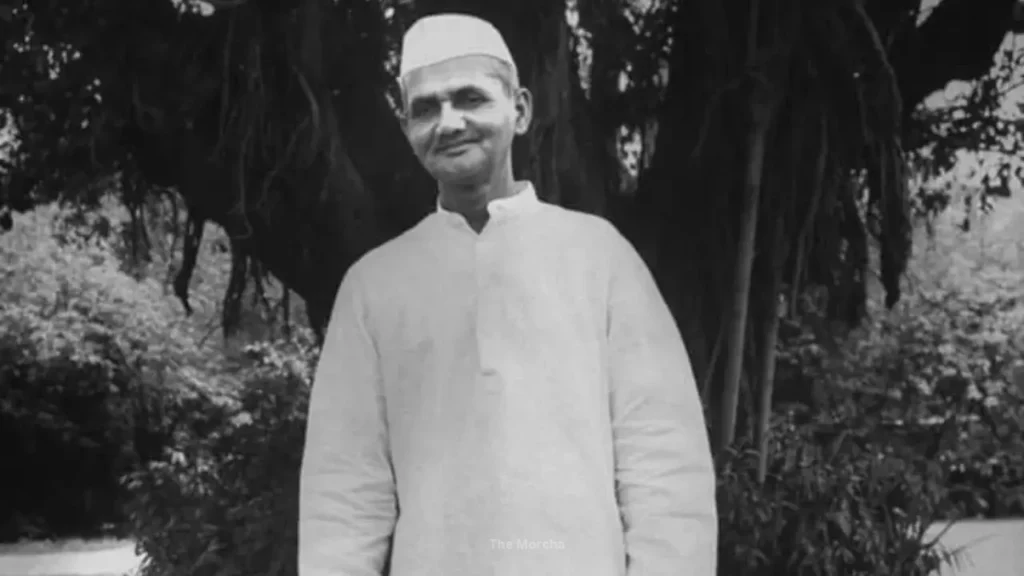
His life demonstrates the importance of discipline, education, responsibility and public service. Schools and colleges can organize speeches, essay competitions, debates, quizzes and exhibitions to introduce students to his contribution to India’s history.
Understanding historical figures through their decisions and the circumstances of their time can help young people develop a deeper understanding of India’s political development.
Difference Between Gandhi Jayanti and Lal Bahadur Shastri Jayanti
October 2 is significant because it marks the birth anniversaries of both Mahatma Gandhi and Lal Bahadur Shastri. Lal Bahadur Shastri Jayanti is observed on this day to remember India’s second Prime Minister and his contribution to the nation’s development. Gandhi is remembered primarily for his role in India’s freedom movement and his philosophy of truth and non-violence.
Shastri is remembered for his role in India’s post-independence political development, his leadership during the 1965 war, his emphasis on agriculture, and his reputation for simplicity and accountability. Their lives belonged to different phases of India’s history, but both are remembered on the same date, making October 2 an important day in India’s history.
Lal Bahadur Shastri Jayanti is a reminder of a leader whose public life was associated with simplicity, courage, integrity and national service. Born on October 2, 1904, Shastri grew from a young participant in India’s freedom movement into the country’s second Prime Minister. During his short tenure, he faced major challenges involving food shortages, agricultural production, economic pressure and national security.
His famous message of “Jai Jawan, Jai Kisan” continues to symbolize the importance of India’s soldiers and farmers. Lal Bahadur Shastri Jayanti also provides an opportunity to remember his resignation as Railway Minister, support for agricultural development, leadership during the 1965 war, and role in the Tashkent Declaration, all of which remain important parts of his historical legacy.
As India observes Lal Bahadur Shastri Jayanti every October 2, his life offers an opportunity to reflect on the values of responsibility, humility, courage, and service. Lal Bahadur Shastri Jayanti reminds us that remembering Shastri is not only about looking back at history, but also about understanding how ethical conduct, personal discipline, and commitment to public service can shape a nation’s journey.