
Women’s Equality Day is a powerful reminder that equal rights, opportunities, respect, and freedom should never depend on whether a person is born a woman or a man. Although women around the world have achieved remarkable progress, gender inequality continues to create barriers in education, employment, leadership, safety, healthcare, and decision-making. Women’s Equality Day encourages society to recognize these challenges while celebrating the courage of women who fought against discrimination. It is not only a day of celebration but also a call to take powerful action against injustice and inequality. The day reminds us that true progress is impossible until women and girls can live with dignity, freedom, safety, and equal opportunities.
Table of Contents
What Is Women’s Equality Day?
Women’s Equality Day is observed every year on August 26 in the United States. The day commemorates the historic progress of women in the struggle for equal voting rights. It is closely associated with the certification of the 19th Amendment to the U.S. Constitution in 1920, which provided that no citizen could be denied the right to vote because of sex.
However, the meaning of Women’s Equality Day goes far beyond voting rights. Today, it represents the continuing struggle for gender equality in every part of life. Women deserve equal access to education, employment, property, leadership opportunities, healthcare, and political participation.
The observance also reminds society that legal rights alone are not enough. Even when laws promote equality, women may still experience discrimination because of traditional attitudes and unequal social systems. Therefore, Women’s Equality Day is both a celebration of historic achievements and a reminder that the journey toward complete equality is still continuing.
History Behind Women’s Equality Day
The history of Women’s Equality Day is deeply connected with the long women’s suffrage movement in the United States. For many decades, women were denied the right to participate equally in political decisions. They could not vote in elections even though those elections affected their lives, families, communities, and futures.
Women activists organized meetings, campaigns, protests, and public movements to demand political equality. Their struggle required extraordinary courage because many people strongly opposed the idea of women participating in politics.
A major milestone came when the 19th Amendment was adopted in 1920. It became an important symbol of women’s political rights. Later, in 1973, the United States Congress officially designated August 26 as Women’s Equality Day. The history teaches an important lesson: social change often requires patience, courage, unity, and persistent effort. Rights that may appear normal today were often achieved because earlier generations refused to remain silent.
Why Women’s Equality Day Is Important
Women’s Equality Day is important because gender equality affects the entire development of society. When women receive equal opportunities, families, communities, economies, and nations can benefit. Equality means more than simply treating everyone in exactly the same way. It also means removing unfair barriers that prevent women and girls from reaching their potential. A talented girl should not lose educational opportunities because of her gender. A qualified woman should not receive lower pay simply because she is a woman.
The day also encourages people to examine hidden forms of discrimination. Sometimes inequality is obvious, but sometimes it exists in subtle expectations. For example, women may be expected to carry most unpaid household responsibilities while also working professionally. By observing Women’s Equality Day, society can discuss these issues openly and work toward more respectful and balanced relationships. Equality is not a benefit only for women; it creates a stronger and more just world for everyone.
The Powerful Journey of Women’s Voting Rights
The right to vote is one of the most important symbols of political equality. For centuries, women in many societies were excluded from political decision-making. Laws and governments influenced their lives, yet they often had little power to influence those governments. Women’s suffrage movements challenged this injustice. Activists argued that women were citizens and therefore deserved the same political rights as men. Their campaigns faced criticism, ridicule, arrests, and social opposition, but many activists continued their work.
The progress of voting rights became a major victory, but it did not solve every form of inequality. Women’s Equality Day therefore reminds us that political participation must be supported by equal access to leadership, education, information, and public spaces. Women should not only have the right to vote; they should also feel empowered to become leaders, policymakers, representatives, and decision-makers. A truly democratic society needs the voices and experiences of all its people.
Women’s Equality Day and Equal Education
Education is one of the strongest tools for achieving gender equality. When girls receive quality education, they gain knowledge, confidence, skills, and greater control over their future. Unfortunately, gender-based barriers can still affect educational opportunities. Poverty, early marriage, safety concerns, household responsibilities, and discriminatory attitudes may prevent some girls from completing their education.
Women’s Equality Day reminds families and communities that educating girls is not a burden. It is a powerful investment in the future. An educated woman can pursue her goals, support her family, contribute to society, and make informed decisions. Equality in education should also include freedom to choose different subjects and careers. Girls should feel equally encouraged to enter science, technology, engineering, mathematics, politics, business, sports, and other fields.
Every girl deserves the opportunity to learn, dream, ask questions, and build the future she chooses. Education helps transform equality from an idea into a practical reality.
The Dark Reality of Gender Discrimination
Despite important progress, gender discrimination remains a serious challenge. Women may face unequal treatment at home, in schools, workplaces, and public spaces. Discrimination can appear through unequal pay, limited career opportunities, harmful stereotypes, exclusion from leadership roles, harassment, and restrictions on personal freedom. In some cases, women are judged more harshly than men for making the same choices.
Traditional stereotypes can also create invisible pressure. For example, women may be expected to be caring but not ambitious, confident but not outspoken, or successful without neglecting household responsibilities. These contradictory expectations make equality difficult to achieve.
Women’s Equality Day encourages people to challenge these harmful attitudes. Gender should never determine a person’s value, intelligence, strength, or potential. Every individual should be respected as a human being with unique abilities and dreams. Real equality requires changing both unfair laws and unfair mindsets. Society cannot claim to support equality while continuing to judge people according to restrictive gender stereotypes.
Equal Pay for Equal Work
One of the most important discussions related to Women’s Equality Day is equal pay. In many places, women continue to face wage gaps and unequal economic opportunities. Equal pay does not simply mean giving everyone identical salaries. It means ensuring that people are compensated fairly for comparable work, skills, experience, and responsibilities without discrimination based on gender.
Economic equality is extremely important because financial independence gives women greater freedom and security. A woman with fair access to employment and income can make more independent decisions about her life. Workplaces should therefore create transparent pay systems, fair promotion opportunities, and equal access to professional development. Women should not have to work harder merely to receive the same recognition.
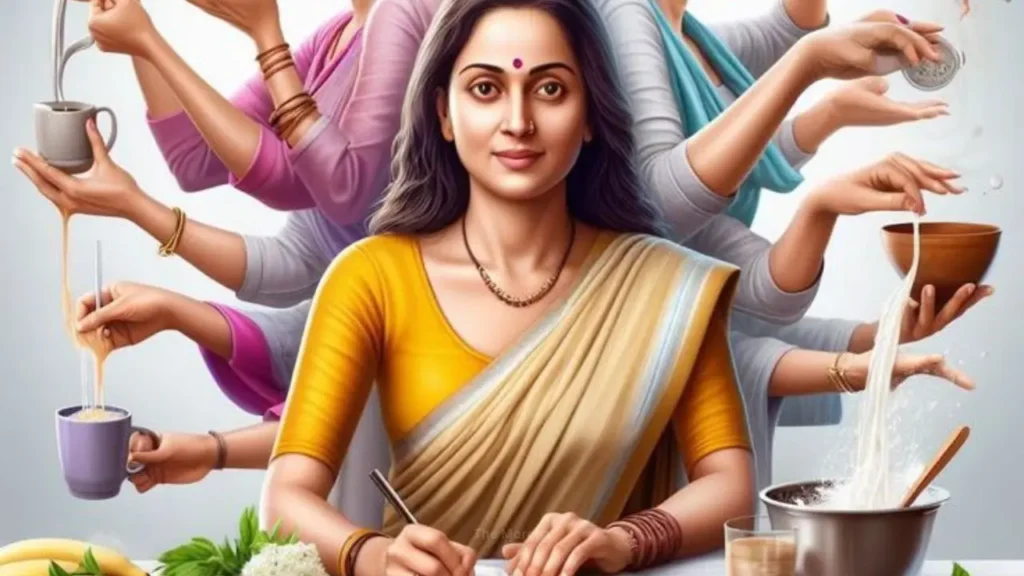
Achieving economic equality also requires recognizing the value of unpaid work. Many women perform essential household and caregiving responsibilities that are often invisible and undervalued. A more equal society must understand that both paid and unpaid work contribute to human well-being.
Women’s Equality in the Workplace
A workplace cannot be considered truly progressive if women are present only in lower positions while leadership remains dominated by men. Women’s Equality Day encourages organizations to create workplaces where women can grow without facing unnecessary barriers. This includes fair recruitment, equal pay, promotion opportunities, safe working conditions, and protection from harassment.
Women should also be able to balance professional and personal responsibilities without being unfairly punished for becoming mothers or caring for family members. Mentorship and leadership programs can help women enter positions where they influence important decisions. Companies also benefit when leadership includes people with different experiences and perspectives.
A diverse workplace can encourage better ideas, stronger problem-solving, and more inclusive decision-making. True workplace equality means that a woman’s career should be judged by her talent, performance, and contribution—not by stereotypes about what women can or cannot do.
The Role of Women in Leadership
Women have demonstrated leadership in politics, business, science, education, social activism, sports, and many other fields. Yet women are still underrepresented in many powerful decision-making positions. Women’s Equality Day highlights the importance of women’s leadership because decisions are stronger when different voices are included. Women bring valuable experiences and perspectives that can help shape policies and institutions.
Young girls also need visible role models. When girls see women leading countries, companies, research institutions, or social movements, they can imagine broader possibilities for themselves. However, women leaders often face unfair criticism based on appearance, personality, family choices, or gender. Male leaders may not experience the same level of personal scrutiny.
Creating equality in leadership requires challenging these double standards. Leadership should be evaluated through vision, integrity, knowledge, responsibility, and results—not through gender.
Women’s Safety Is Essential for Equality
Equality cannot exist without safety. A woman cannot fully enjoy freedom if she constantly fears harassment, violence, or abuse. Women’s Equality Day therefore includes an important discussion about creating safer homes, workplaces, schools, transportation systems, and digital spaces.
Preventing violence requires more than punishing offenders after harm occurs. Society must also promote education, respectful behavior, consent, accountability, and early intervention. Families should teach boys and girls about mutual respect from a young age. Victims should be treated with dignity and support rather than blame.
Communities must also reject the harmful idea that women are responsible for preventing violence through their clothing, behavior, or lifestyle. Responsibility for harmful actions belongs to the person committing them. A society becomes stronger when women can travel, study, work, speak, and participate freely without fear. Safety is not a special privilege—it is a basic human right.
Breaking Harmful Gender Stereotypes
Gender stereotypes can quietly limit both women and men. Women may be told that certain careers are not suitable for them or that ambition is less important than traditional expectations. At the same time, men may be discouraged from expressing emotions or participating equally in caregiving responsibilities.
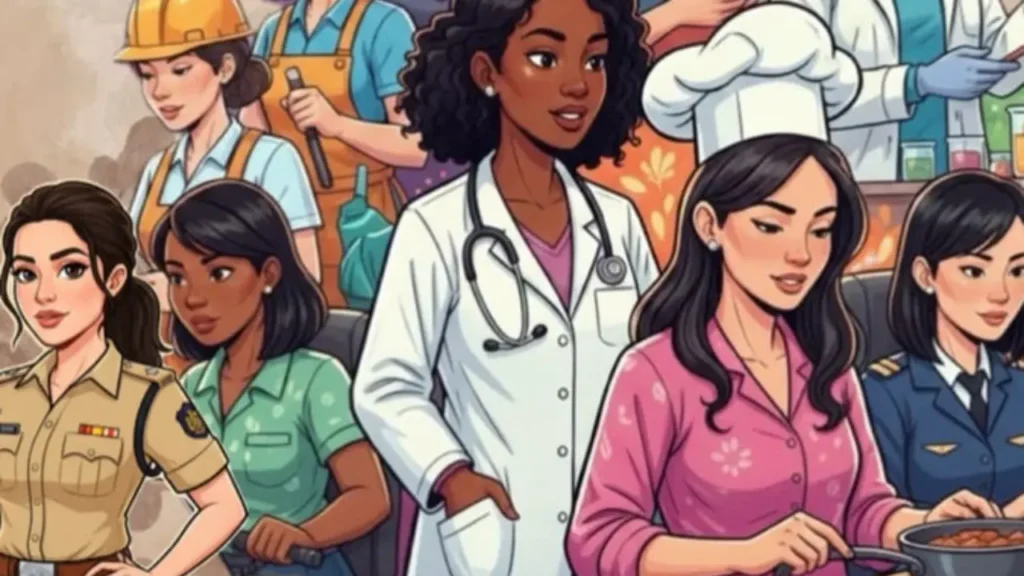
Women’s Equality Day encourages society to move beyond these rigid ideas. A woman can be compassionate and ambitious. She can be a scientist, athlete, engineer, entrepreneur, artist, soldier, leader, or anything else she chooses. Children should not be raised withthe belief that certain dreams belong only to one gender. Toys, subjects, careers, hobbies, and leadership abilities should not be limited by stereotypes.
Breaking stereotypes allows people to develop according to their interests and talents. It also creates healthier relationships based on respect rather than rigid expectations. Equality does not mean that every person must make identical choices. It means that every person should have the freedom to make choices without being unfairly limited because of gender.
The Role of Men in Achieving Gender Equality
Women’s equality is not only a women’s issue. Men and boys also have an important role in creating a fairer society. Men can support equality by challenging sexist jokes, rejecting discrimination, sharing household responsibilities, supporting women’s careers, and speaking against violence and harassment.
Equality should not be viewed as a competition between men and women. When one group gains equal rights, another group does not lose its rights. Healthy relationships and families are built on partnership. Sharing responsibilities can reduce pressure on both women and men.
Men can also become powerful allies by listening to women’s experiences instead of dismissing them. Understanding inequality requires recognizing that different people may experience society in different ways. Women’s Equality Day encourages cooperation rather than conflict. Gender equality becomes possible when people of all genders work together to challenge injustice and build respectful communities.
Women and Economic Independence
Economic independence gives women greater confidence and decision-making power. A woman who has access to education, employment, skills, financial knowledge, and business opportunities is often better positioned to make choices about her future. Women’s Equality Day highlights the importance of removing economic barriers. Women should have equal opportunities to own property, start businesses, access financial services, and build successful careers.
Supporting women entrepreneurs can also strengthen local economies. Small businesses created by women can generate employment and encourage innovation. Financial literacy is equally important. Understanding savings, budgeting, investment, and financial planning can help women achieve greater independence.
However, economic equality is not only about individual success. Governments, businesses, and communities also need policies that remove structural barriers. When women are economically empowered, the benefits can extend to families and future generations. Financial equality therefore remains one of the strongest foundations for long-term social equality.
Women’s Equality in the Digital World
Technology has created new opportunities for women to learn, work, start businesses, and share their voices. Social media and digital platforms can help women connect with wider audiences and build professional careers.
However, the digital world also creates new forms of inequality. Women may experience online harassment, cyberbullying, threats, privacy violations, and digital discrimination. Women’s Equality Day reminds us that equality must exist both offline and online. Women should be able to use technology without fear of abuse.
Digital education is also essential. Girls and women should have equal access to computers, internet connections, technical training, and careers in technology. Representation matters in the technology sector because the people designing digital systems can influence how those systems affect society. A more equal digital future requires safe online environments, stronger digital literacy, and greater participation of women in science and technology.
How Young People Can Support Women’s Equality
Young people have the power to create major social change. They can challenge outdated attitudes and build more equal communities. Students can support Women’s Equality Day by respecting classmates equally, speaking against bullying, rejecting sexist jokes, and encouraging girls to pursue their goals.
Social media can also be used positively to spread awareness about women’s achievements and rights. Instead of sharing harmful stereotypes, young people can promote stories that inspire confidence and equality. Young people should also learn about the history of women’s movements. Understanding the struggles of earlier generations helps us appreciate the rights and opportunities available today.
Equality begins with everyday behavior. The way people speak, make decisions, divide responsibilities, and respond to discrimination can influence others. A young person does not need to become a famous activist to support equality. Small acts of respect and courage can gradually create meaningful change.
How to Celebrate Women’s Equality Day
There are many meaningful ways to observe Women’s Equality Day. Schools, colleges, workplaces, and communities can organize awareness programs about women’s rights and gender equality. People can learn about important women leaders, activists, scientists, artists, athletes, and social reformers. Reading their stories can provide inspiration and help challenge stereotypes.
Organizations can also use the day to review whether their policies promote genuine equality. Questions about pay, promotions, safety, leadership, and workplace culture are especially important. Families can discuss how household responsibilities are shared. Equal relationships often begin with everyday decisions at home.
Social media users can share educational information rather than simply posting greetings. Meaningful awareness can help more people understand the continuing importance of gender equality. The best way to celebrate Women’s Equality Day is through action. Respecting women’s choices, supporting their ambitions, and challenging discrimination can make the message of the day part of everyday life.
The Connection Between Women’s Rights and Human Rights
Women’s rights are human rights. This simple idea carries a powerful meaning. Women deserve equality not because they need special treatment, but because they are human beings with the same fundamental dignity as everyone else. Rights related to education, employment, safety, healthcare, freedom of expression, political participation, and personal independence should be available without gender-based discrimination.
Women’s Equality Day reminds us that protecting women’s rights strengthens human rights more broadly. A society that accepts discrimination against one group creates a dangerous environment for everyone. Equality also improves democracy because more people can participate in shaping decisions. It strengthens communities because women can contribute more fully to social and economic development.
Protecting women’s rights is therefore not only about correcting past injustice. It is about creating a better future based on dignity, freedom, and opportunity.
Women’s Equality Day 2026 and the Future
As Women’s Equality Day 2026 is observed, the world has an opportunity to reflect on both progress and unfinished work. Women today have achieved extraordinary success in areas that were once almost completely closed to them. They are leading governments, discovering scientific innovations, building companies, winning sporting competitions, and creating social change.
At the same time, many challenges remain. Gender-based violence, unequal opportunities, discrimination, and harmful stereotypes continue to affect women in different parts of the world. The future of equality will depend on continued action. Governments must enforce fair laws. Schools must provide equal opportunities. Workplaces must remove discrimination. Families must encourage daughters as strongly as sons.
Technology and social media can also play a positive role when used responsibly. Women’s Equality Day 2026 should therefore be more than a symbolic date. It should encourage people to ask an important question: What can we do today to make equality more real tomorrow?
Equality Is a Powerful Path to a Better World
Women’s Equality Day is a celebration of courage, struggle, progress, and hope. It honors the women who challenged injustice when doing so was difficult and dangerous. Their efforts remind us that equality is not automatically created. It requires awareness, determination, and continuous action.
The fight for gender equality is not about placing women above men. It is about ending the unfair systems that prevent people from reaching their full potential because of gender. A truly equal world is one where a girl can dream without limits, a woman can live without fear, and every person can pursue opportunities based on talent and effort.
As we observe Women’s Equality Day, we should celebrate achievements while refusing to ignore the challenges that remain. The most powerful tribute to the women who fought for equality is to continue their work. By rejecting discrimination, supporting equal opportunities, respecting women’s choices, and raising future generations with the values of fairness and dignity, we can help build a world where equality is not merely a promise. Women’s Equality Day is ultimately a reminder that when women rise, society rises with them—and when equality becomes real, the future becomes stronger for everyone.