
US A-10 Thunderbolt Crash Near Honduras has drawn widespread attention from global media, defense analysts, and aviation enthusiasts who closely follow military developments.The A-10 Thunderbolt II is considered one of the most reliable and battle-tested aircraft in the United States Air Force, which is why any news of its crash immediately becomes a major topic of discussion. While early reports remain unclear and in some cases unverified, the situation highlights how quickly information spreads in today’s digital world.
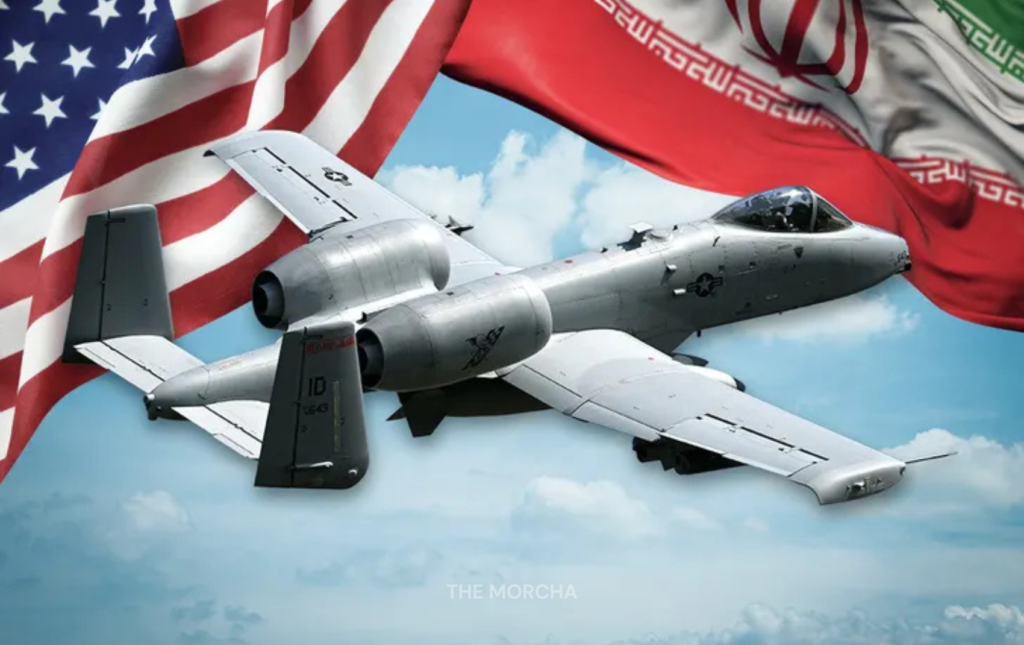
Many people rely on social media for updates, but not all information shared there is accurate. This incident emphasizes the importance of verifying facts through trusted sources. It also raises broader questions about aviation safety, operational risks, and the challenges faced by military aircraft operating in complex environments.
Table of Contents
Overview of the A-10 Thunderbolt II Aircraftg
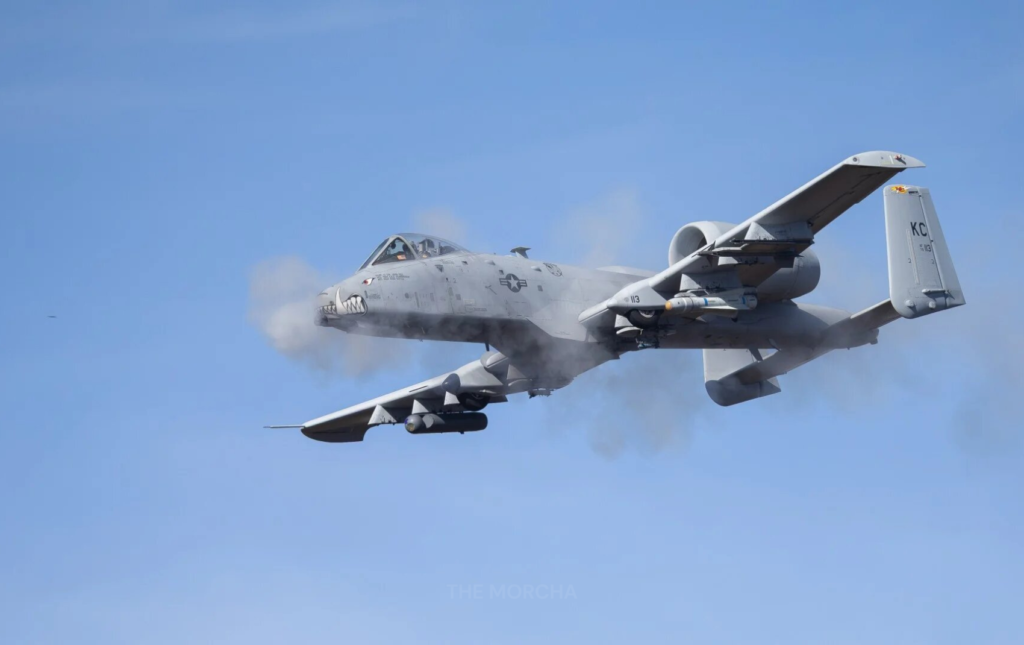
The A-10 Thunderbolt II, commonly known as the “Warthog,” is a specialized aircraft designed primarily for close air support missions. Developed during the Cold War, it was built to destroy armored vehicles and provide direct support to ground troops during combat operations. The aircraft features a rugged design, powerful engines, and a heavy-duty structure that allows it to withstand significant damage.
One of its most notable features is the GAU-8 Avenger cannon, which is capable of delivering devastating firepower with high accuracy. Unlike modern stealth aircraft, the A-10 focuses on durability and effectiveness rather than speed or invisibility. Its ability to operate at low altitudes makes it highly effective in targeting enemy positions, but it also exposes the aircraft to increased risks such as ground fire and environmental challenges.
Why the A-10 is Known as the “Warthog”
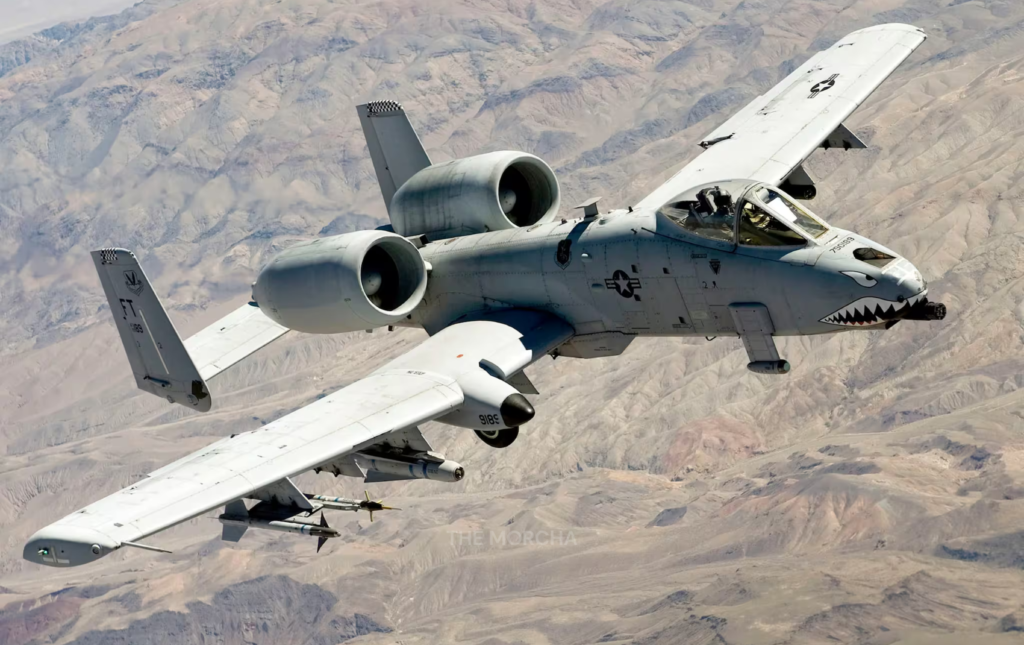
The nickname “Warthog” perfectly reflects the A-10 Thunderbolt’s appearance and operational role. Unlike sleek and aerodynamic fighter jets, the A-10 has a bulky and rugged design that prioritizes strength and functionality over aesthetics. Its wide wings, exposed engines, and heavy armor give it a distinctive look that resembles toughness and resilience. Pilots and ground forces appreciate the aircraft for its ability to perform under extreme conditions and still return safely.
The nickname also symbolizes its aggressive combat capabilities, especially in close air support missions where precision and reliability are critical. Over the years, the A-10 has built a reputation as a dependable aircraft that can handle intense combat situations. This unique combination of strength, durability, and effectiveness is what makes the “Warthog” an iconic symbol of military aviation.
Reported Details of the Crash Incident
The details surrounding the alleged US A-10 Thunderbolt crash near Honduras remain uncertain, with limited confirmed information available from official sources. Some reports suggest that the aircraft may have been part of a routine training mission or a joint military exercise in the region. However, without verification from reliable authorities such as the US Department of Defense, it is difficult to confirm the accuracy of these claims. The lack of clear information has led to speculation and confusion among the public.
In many cases, similar incidents reported online turn out to be either outdated or misinterpreted. This situation highlights the challenges of relying on unverified sources for critical information. Until official statements are released, it is important to approach such news with caution and avoid spreading misinformation that could create unnecessary panic.
Geographic Importance of Honduras
Honduras plays a significant role in regional security and military cooperation in Central America. Its strategic location makes it an important partner for the United States in conducting joint operations, training exercises, and humanitarian missions. The country has hosted US military presence for many years, which allows for better coordination and rapid response to regional challenges.
The presence of US aircraft, including the A-10 Thunderbolt, is not unusual in this region due to ongoing cooperation between the two nations. Honduras also provides a base for monitoring activities such as drug trafficking and organized crime, which are major concerns in the region. Because of its importance, any incident involving a US military aircraft near Honduras attracts attention not only for safety reasons but also for its potential impact on diplomatic and military relations.
Possible Mechanical Failures in the Aircraft
Mechanical failure is one of the most common factors considered in any aircraft crash investigation, including incidents involving the A-10 Thunderbolt. Despite its reputation for durability, the aircraft relies on complex systems such as engines, hydraulics, and avionics that require regular maintenance. Over time, wear and tear can affect these components, increasing the risk of malfunction. Even with strict inspection protocols, unexpected failures can occur during flight. Investigators typically examine whether any part of the aircraft failed before the crash and whether maintenance procedures were properly followed.
Understanding mechanical issues is crucial for preventing similar incidents in the future. If a specific problem is identified, it may lead to changes in maintenance practices or design improvements. This process ensures that lessons learned from accidents contribute to overall aviation safety and reliability.
Role of Pilot Decision-Making
Pilot decision-making plays a crucial role in ensuring flight safety, especially in high-risk environments. A-10 pilots undergo extensive training to handle a wide range of scenarios, including emergency situations and combat conditions. However, even the most experienced pilots can face unexpected challenges that require quick thinking and precise actions. Factors such as fatigue, stress, and rapidly changing conditions can influence decision-making during flight. In the event of a crash, investigators analyze pilot actions to determine whether human factors contributed to the incident.
This includes reviewing communication records, flight data, and training history. Understanding the role of human performance helps improve training programs and reduce the likelihood of future accidents. It also highlights the importance of continuous skill development and support for pilots operating in demanding environments.
Weather Conditions and Environmental Factors
Weather conditions are a significant factor in aviation safety, particularly in regions like Central America where conditions can change rapidly. Heavy rainfall, thunderstorms, and strong winds can create hazardous flying environments for any aircraft, including the A-10 Thunderbolt. Low visibility due to clouds or fog can make navigation difficult, especially during low-altitude operations. Environmental factors such as mountainous terrain or coastal weather patterns can further complicate flight conditions.
Pilots must constantly monitor weather updates and adjust their plans accordingly to ensure safety. In crash investigations, weather data is carefully analyzed to determine whether it played a role in the incident. Understanding environmental challenges is essential for improving flight planning and reducing risks. This also emphasizes the need for advanced weather monitoring systems and better communication between pilots and ground control.
Training Missions and Associated Risks
Training missions are an essential part of military readiness, but they also involve a higher level of risk compared to routine operations. During these missions, pilots often perform complex maneuvers and simulate combat scenarios to improve their skills. The A-10 Thunderbolt is frequently used in such exercises due to its role in close air support. However, the demanding nature of these activities increases the chances of errors or unexpected situations.
Even minor miscalculations can lead to serious consequences during high-speed or low-altitude maneuvers. Despite strict safety protocols, accidents can still occur. Investigators consider whether the aircraft involved in a crash was participating in a training mission and whether the procedures were followed correctly. Understanding these risks helps improve training methods and ensures that pilots are better prepared for real-world operations.
Investigation Process After a Crash
The investigation process following a military aircraft crash is detailed and highly structured. It begins with securing the crash site to preserve evidence and ensure the safety of personnel involved. Investigators then collect data from flight recorders, maintenance logs, and communication systems to reconstruct the sequence of events. The wreckage is carefully examined to identify any signs of mechanical failure or external damage.
Experts from various fields work together to analyze the information and determine the cause of the crash. The findings are compiled into a comprehensive report that may include recommendations for improving safety. This process can take weeks or even months, depending on the complexity of the case. The goal is not only to understand what happened but also to prevent similar incidents in the future through improved practices and technologies.
Role of the US Air Force in Incident Response
The US Air Force is responsible for managing the response to incidents involving its aircraft. This includes coordinating rescue operations, securing the crash site, and conducting investigations. The Air Force also communicates with government authorities, international partners, and the public to provide updates on the situation. Transparency and accuracy are important in maintaining trust and preventing misinformation. The Air Force may also implement immediate safety measures, such as grounding similar aircraft for inspection, if necessary. This proactive approach helps reduce risks while the investigation is ongoing.
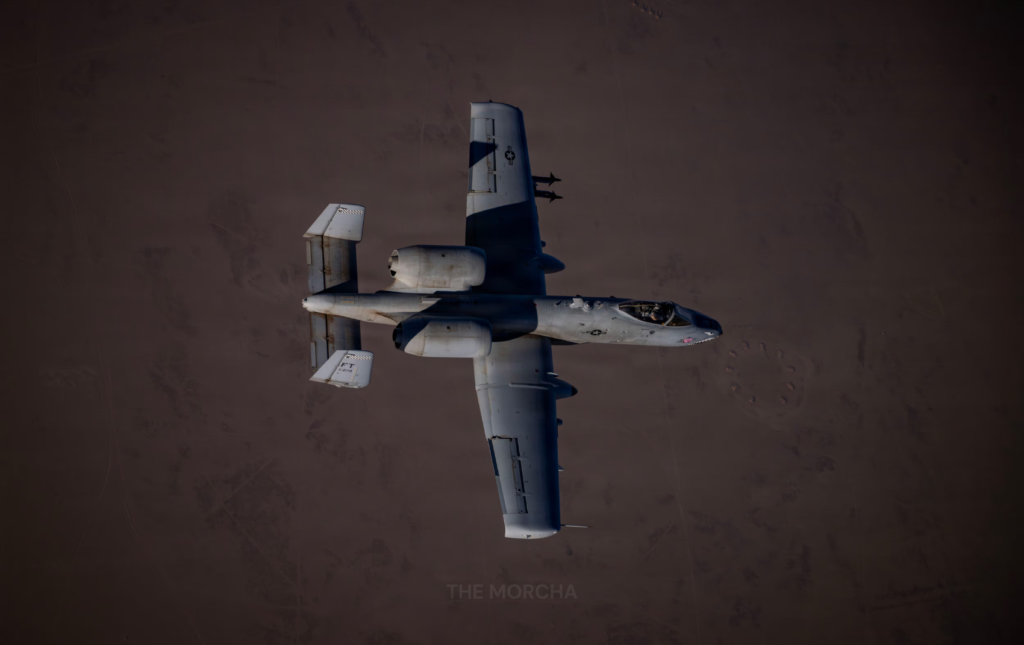
In addition, the Air Force uses the findings from such incidents to improve training, maintenance, and operational procedures. This continuous improvement process ensures that lessons learned from each incident contribute to overall safety and effectiveness in military aviation operations.
Impact on Military Operations
An incident involving the A-10 Thunderbolt can have a significant impact on military operations. In some cases, similar aircraft may be temporarily grounded to ensure there are no widespread issues affecting the fleet. Training schedules may be adjusted, and additional safety checks may be introduced. Such incidents also influence long-term planning, including decisions about upgrading or replacing older aircraft.
The A-10 has been a key asset in military operations for decades, but its future remains a topic of debate due to evolving technology and changing mission requirements. A crash can accelerate discussions about modernization and investment in newer systems. Despite these challenges, the A-10 continues to play an important role in providing close air support, demonstrating its value even in modern military strategies.
Media Coverage and Public Reaction
Media coverage plays a crucial role in shaping public understanding of incidents like the US A-10 Thunderbolt crash near Honduras. News spreads quickly through television, online platforms, and social media, reaching a global audience within minutes. However, the speed of information sharing can sometimes lead to inaccuracies or incomplete reporting. Sensational headlines may attract attention but can also create confusion if the facts are not verified.
Public reaction is often influenced by how the information is presented, which is why responsible journalism is essential. Readers are encouraged to rely on trusted sources and avoid sharing unverified information. Accurate reporting helps maintain public trust and ensures that discussions are based on facts rather than speculation. This is particularly important when dealing with sensitive topics such as military operations.
Importance of Verified Information
In today’s digital age, the importance of verified information cannot be overstated. With the rapid spread of news online, it is easy for rumors and misinformation to circulate widely. In the case of the US A-10 Thunderbolt crash near Honduras, relying on credible sources such as official statements and reputable news organizations is essential. Verified information provides clarity and helps prevent unnecessary panic or confusion. It also ensures that discussions are based on accurate facts rather than speculation. Individuals play a role in maintaining information integrity by checking sources before sharing content.
This responsible approach is particularly important for topics related to safety and national security. By prioritizing accuracy, both media organizations and the public can contribute to a more informed and responsible information environment.
Historical Incidents Involving the A-10
The A-10 Thunderbolt has a long history of service and has been involved in various incidents over the years. While it is known for its durability and reliability, no aircraft is completely immune to accidents. Past incidents have occurred during both training and operational missions, providing valuable lessons for improving safety. These experiences have led to enhancements in maintenance procedures, pilot training, and operational protocols.
The aircraft’s strong design has often allowed pilots to survive situations that might be fatal in other aircraft. This track record highlights the importance of continuous learning and improvement in aviation. Each incident contributes to a better understanding of risks and helps develop strategies to minimize them in the future, ensuring safer operations for both pilots and support personnel.
Strengths of the A-10 Thunderbolt
The A-10 Thunderbolt is widely respected for its unique strengths, which make it highly effective in its role. Its rugged design allows it to operate in harsh conditions and sustain significant damage while continuing to function. The aircraft’s powerful cannon provides unmatched firepower for close air support missions. Additionally, its ability to fly at low speeds and altitudes allows for precise targeting, which is essential in supporting ground troops. The A-10 also features redundant systems that enhance its reliability and safety.
These strengths have made it a valuable asset in numerous military operations around the world. Despite advancements in technology, the A-10 remains relevant due to its specialized capabilities and proven performance in real-world scenarios.
Challenges of Aging Military Aircraft
As an aircraft that has been in service for decades, the A-10 Thunderbolt faces challenges associated with aging systems. Components may require frequent maintenance, and the cost of upkeep can increase over time. Integrating modern technology into older platforms can also be difficult, limiting the aircraft’s ability to adapt to new operational requirements.
These challenges have led to discussions about whether the A-10 should be upgraded or replaced with newer systems. However, its unique capabilities make it difficult to replace entirely. Balancing the benefits of modernization with the cost and practicality of maintaining older aircraft is a key issue for military planners. Addressing these challenges is essential for ensuring the continued effectiveness and safety of the A-10 fleet.
The situation surrounding the US A-10 Thunderbolt crash near Honduras remains uncertain, with limited confirmed information available at this time. Regardless of whether the incident is verified, it highlights important issues related to aviation safety, information accuracy, and military operations. The A-10 Thunderbolt continues to be a critical asset, known for its strength and reliability. However, ongoing challenges such as aging systems and evolving mission requirements must be addressed to ensure its future effectiveness.
As more information becomes available, it will provide valuable insights into the causes and implications of the incident. These insights will help guide improvements in safety, training, and technology, ensuring that military aviation continues to evolve and adapt to changing conditions.