
Elderly Winter Care Can Be Especially Challenging. As temperatures drop and daylight hours shorten, older adults face an increased risk of physical illnesses, cognitive decline, emotional disturbances, and accidents at home. This comprehensive guide delves into the various problems seniors face during the colder months and provides practical, evidence-based solutions that families, caregivers, and the elderly themselves can implement. From maintaining warmth and managing chronic illnesses to emotional support and cognitive stimulation, this article covers all aspects of winter care for the elderly.

Table of Contents
The Impact of Cold Weather on Elderly Health
People’s capacity to control their body temperature deteriorates with age. Seniors often feel colder than younger adults, even indoors. Reduced circulation, slower metabolism, and thinner, less elastic skin contribute to this heightened sensitivity. Cold weather increases the risk of hypothermia, frostbite, joint stiffness, and respiratory issues. Older adults with chronic illnesses such as diabetes, cardiovascular diseases, or respiratory conditions are particularly vulnerable, as cold can exacerbate symptoms and lead to complications.
Seasonal infections like influenza and pneumonia are also more common. Therefore, it is crucial to ensure adequate heating, layered clothing, warm bedding, and regular monitoring of temperature and overall health. Encouraging light physical activity indoors, maintaining proper hydration, and checking on elderly individuals frequently can significantly reduce health risks and improve comfort during colder months.
Joint Pain and Musculoskeletal Issues in Winter
Winter can exacerbate arthritis, muscle stiffness, and joint pain in the elderly. Cold temperatures cause muscles to contract and joints to become less flexible, increasing discomfort and the likelihood of falls. Seniors often report higher pain levels during winter months, which can affect mobility, independence, and overall quality of life. The drop in temperature also reduces blood flow to extremities, which may worsen inflammation and stiffness in joints. To alleviate these issues, maintaining a warm indoor environment is essential, along with wearing layered, insulating clothing that protects the joints from cold.
Gentle stretching routines, low-impact exercises such as walking, yoga, or swimming, and light resistance training can help preserve mobility and reduce discomfort. Thermal pads, warm compresses, and heated blankets provide additional relief, while regular physiotherapy sessions and consultations with physicians for tailored pain management plans ensure long-term joint health and safety during the colder months. Staying active within safe limits also helps maintain muscle tone and balance, reducing the risk of winter-related injuries.
The Role of Vitamin D and Nutritional Support
Limited sunlight exposure during winter months can lead to vitamin D deficiency, which is essential for maintaining strong bones, supporting immune function, and regulating mood. In elderly individuals, this deficiency can increase the risk of osteoporosis, fractures, and susceptibility to infections. Additionally, reduced appetite during colder months may result in insufficient intake of essential nutrients, further compromising health. Families and caregivers should encourage the consumption of vitamin D-rich foods such as fortified dairy products, eggs, fatty fish like salmon and mackerel, and mushrooms exposed to sunlight.
Vitamin D supplementation may also be necessary under medical supervision, especially for those with limited mobility or chronic conditions. Beyond vitamin D, a balanced diet rich in high-quality proteins, vitamins B12, C, and E, as well as minerals like calcium and zinc, supports overall health, strengthens immunity, aids cognitive function, and helps combat seasonal illnesses. Hydrating warm foods like soups and stews, along with seasonal fruits and vegetables, can improve appetite and digestion while providing essential micronutrients to enhance both physical and mental wellbeing during the colder months.
Cold Weather and Increased Risk of Falls
Winter poses a significantly higher risk of falls for older adults due to slippery surfaces, icy sidewalks, poor visibility, and naturally weakened balance that often accompanies aging. Inside the house, wet floors from melted snow or rain, loose rugs, cluttered pathways, and dim lighting can all contribute to dangerous situations. Even minor slips can result in serious injuries such as fractures or head trauma, which can severely impact independence. Preventive measures include installing non-slip mats in high-risk areas such as bathrooms and kitchens, improving indoor lighting with bright, energy-efficient bulbs, and keeping all pathways free from clutter.
Encouraging seniors to wear warm, sturdy, and well-fitted footwear with good grip is essential. Additionally, regular balance and strength exercises such as tai chi, gentle yoga, or chair-based workouts help improve stability and coordination. Families should also educate seniors about taking extra care when stepping outdoors, using handrails where available, and pacing themselves on potentially icy surfaces to further reduce the risk of winter-related falls.
Mental Health Challenges in Winter

Shorter days, reduced sunlight, and limited opportunities for outdoor activity during winter can significantly impact the mental health of elderly individuals. These seasonal changes often trigger mood disorders such as seasonal affective disorder (SAD), increased anxiety, irritability, and depression. Seniors who live alone or have minimal social interaction are particularly vulnerable, as feelings of loneliness and isolation can intensify emotional distress and lead to a sense of disconnection from the world around them. Caregivers and family members play a crucial role in mitigating these effects by facilitating regular social contact, encouraging participation in family events, and promoting meaningful daily routines.
Professional support through therapy or counseling may be necessary if mood changes are persistent or severe. Additionally, engaging in hobbies, listening to music, practicing gentle exercises or meditation, and using light exposure therapy can help regulate circadian rhythms, improve mood, and foster emotional stability. Simple indoor activities such as storytelling, crafting, or playing board games also provide mental stimulation, purpose, and a sense of connection during the colder, isolating months of winter.
Cognitive Decline and Winter Confusion
Elderly individuals may experience increased cognitive difficulties during the winter months, including memory lapses, confusion about time or place, difficulty concentrating, and repeating questions or conversations. Several factors contribute to these changes, such as reduced exposure to natural sunlight, vitamin D deficiencies, poor nutrition, disrupted sleep patterns, and social isolation, all of which can affect brain function and alertness. Families and caregivers can play a critical role in supporting cognitive health by encouraging mentally stimulating activities, including puzzles, reading, memory exercises, and engaging conversations. Maintaining structured daily routines helps provide a sense of stability and reduces confusion.
Adequate lighting in all areas of the home, particularly during the darker hours, is essential to prevent disorientation. Regular check-ups with healthcare professionals are recommended for any sudden or worsening cognitive changes, as they may indicate underlying medical conditions such as urinary tract infections, dehydration, or early signs of dementia. Social engagement, gentle physical activity, and exposure to daylight can further help preserve mental clarity, improve mood, and reduce the risk of winter-related cognitive decline.
Sleep Disturbances and Nighttime Restlessness
Cold weather can significantly disrupt sleep patterns in older adults, causing them to wake frequently at night, have lighter or fragmented sleep, and feel fatigued during the day. Factors such as joint pain, muscle stiffness, frequent nighttime urination, anxiety, and temperature fluctuations further exacerbate these sleep disturbances. Maintaining a warm and comfortable bedroom environment is essential, which can include using extra blankets, thermal bedding, and keeping the room at an optimal temperature. Encouraging relaxation techniques such as gentle stretching, meditation, or deep-breathing exercises before bedtime helps calm the mind and prepare the body for restful sleep.
Ensuring a safe and well-lit pathway to the bathroom reduces anxiety about nighttime trips and prevents falls. Limiting heavy meals, caffeine, and excessive fluids before sleep can prevent discomfort and frequent awakenings. Additionally, establishing a consistent sleep routine, dimming lights an hour before bedtime, and incorporating soothing background music or white noise can enhance sleep quality, reduce nighttime restlessness, and promote overall physical and mental wellbeing during the winter months.
Hydration Challenges During Winter
Older adults often drink less water in cold weather because the natural sensation of thirst decreases, making them more prone to dehydration. Dehydration in seniors can lead to a host of complications, including increased fatigue, dizziness, confusion, constipation, urinary tract infections, kidney issues, and a weakened immune system, which makes them more susceptible to seasonal illnesses. Caregivers should encourage regular fluid intake throughout the day, even if the elderly individual does not feel thirsty. Warm drinks such as herbal teas, clear soups, broths, and decaffeinated warm beverages are especially effective, as they provide hydration while also offering warmth and comfort.
Additionally, water should be easily accessible in bedrooms and living areas. Monitoring urine color and volume can serve as a simple but reliable indicator of hydration status. Establishing scheduled drinking routines and gently reminding seniors to drink can prevent dehydration, improve energy levels, support kidney and bladder health, and contribute to overall winter wellness.
Skin Care in Cold Months
Dry, flaky, and itchy skin is a common concern among seniors during the winter months due to lower humidity, indoor heating, and reduced natural oil production in aging skin. Fragile skin becomes more prone to cracks, irritation, infections, and slower wound healing, which can lead to serious complications if not properly cared for. To prevent these issues, caregivers should encourage the use of mild, fragrance-free, moisturizing soaps and apply emollients or rich moisturizers regularly, especially after bathing. Wearing soft, breathable fabrics and avoiding harsh detergents or scratchy materials helps protect sensitive skin.
Maintaining moderate indoor humidity using humidifiers or placing water bowls near heaters can prevent excessive dryness. Special attention should be given to nail and foot care, as even minor cuts, blisters, or fungal infections can escalate into severe problems in elderly individuals. Regular inspection of hands, feet, and skin folds, coupled with gentle cleansing, proper hydration, and timely medical attention for wounds, ensures skin health, comfort, and overall wellbeing throughout the cold season.
Managing Chronic Diseases in Winter
Seniors with chronic conditions such as diabetes, heart disease, respiratory illnesses, or kidney problems require extra attention during the winter months. Cold temperatures and seasonal changes can place additional stress on the body, worsening cardiovascular strain, raising blood pressure, and affecting blood sugar control in diabetic individuals. Respiratory infections, colds, and flu are more common in winter and can be particularly severe for those with existing lung or heart conditions. Families and caregivers should ensure regular monitoring of vital signs, medication adherence, and routine medical check-ups to manage these risks effectively. Maintaining a balanced diet rich in nutrients, encouraging gentle indoor exercises, and promoting hydration are critical preventive strategies.
Awareness of warning signs such as shortness of breath, dizziness, swelling, chest pain, fatigue, or sudden changes in cognitive function is essential, and immediate medical attention should be sought when necessary. Vaccinations for influenza and pneumonia, proper hand hygiene, and avoiding exposure to crowded or cold environments further help minimize complications. Additionally, creating a warm, safe living environment with easy access to medical equipment and emergency contacts can provide peace of mind and significantly reduce the likelihood of winter-related health crises in seniors.
Emotional Wellbeing and Nostalgia
Winter is often associated with holidays and memories from the past, which can evoke strong emotions in older adults. While reminiscing can be comforting, it may also trigger sadness, loneliness, or grief. Families should encourage sharing memories, listening empathetically, and including seniors in family rituals or activities.

Music, storytelling, photo albums, and even simple conversations about past experiences can serve as therapeutic tools, helping seniors process their emotions while maintaining a sense of connection and belonging. Encouraging participation in small festive or creative activities, like decorating or crafting, can further uplift their mood and provide meaningful engagement during the colder months.
Encouraging Safe Physical Activity
Even during cold months, maintaining physical activity is vital for elderly individuals to preserve muscle strength, joint flexibility, cardiovascular health, and mental wellbeing. Reduced movement in winter can lead to stiffness, weakness, and a decline in overall functional ability. Indoor exercises such as gentle stretching, yoga, resistance band routines, chair exercises, or light aerobics provide safe alternatives when outdoor conditions are harsh. Short walks on sunny winter days, with layered warm clothing, hats, gloves, and non-slip footwear, not only support vitamin D synthesis but also stimulate the mind and improve mood.
Activity schedules should be carefully adapted to each senior’s health status, mobility, and endurance. Encouraging regular, moderate activity can prevent muscle atrophy, reduce the risk of falls, support heart health, and foster a sense of accomplishment, independence, and emotional stability during the colder months.
Creating a Safe and Comfortable Home Environment
Winter safety begins at home, where proper preparation can prevent accidents and enhance overall comfort for elderly individuals. Ensuring consistent and adequate heating in all living spaces helps maintain body warmth and reduces the risk of hypothermia. Eliminating tripping hazards such as loose rugs, clutter, and electrical cords, and providing well-lit pathways from bedrooms to bathrooms, significantly lowers fall risk. Installing grab bars in bathrooms, using non-slip mats, and regularly checking smoke and carbon monoxide detectors adds an extra layer of safety.
Comfortable seating with proper support, easy access to frequently used items, and warm blankets or heating pads contribute to daily comfort. Maintaining a cozy, organized, and accessible environment not only improves physical safety but also promotes mental wellbeing, independence, and a sense of security during the colder months, allowing seniors to navigate their homes with confidence and ease.
Hydration and Nutritional Timing
Eating lighter, nutrient-rich meals and maintaining proper hydration are especially critical for elderly individuals during winter, when appetite may decrease and the body requires extra energy to stay warm. Warm foods such as soups, porridges, stews, and whole grains provide both comfort and essential nutrients, while nuts, seeds, and dried fruits supply protein, healthy fats, and micronutrients that support immunity and energy levels. Paying attention to portion control and timing meals earlier in the evening can improve digestion, prevent discomfort, and promote better sleep quality.
For seniors with chronic conditions such as diabetes, hypertension, or kidney issues, consulting a dietitian ensures that nutritional needs are met safely, while balancing caloric intake, fluid consumption, and micronutrient requirements. Encouraging small, frequent meals combined with warm beverages like herbal teas or broths helps maintain hydration, supports metabolic function, and enhances overall health and resilience during the colder months.
Social Interaction and Mental Engagement
Loneliness is a major concern for seniors during winter, as colder weather, shorter days, and limited outdoor activity can increase social isolation. Maintaining regular contact with family, friends, or community groups is essential to support emotional balance, cognitive function, and overall wellbeing. Video calls, phone conversations, and safe in-person visits allow seniors to feel connected and valued, reducing feelings of isolation and depression. Organizing small indoor activities such as board games, card games, music sessions, storytelling, or group exercises encourages engagement, mental stimulation, and a sense of purpose.
Even simple daily routines, like sharing a cup of tea or participating in light household tasks, can provide meaningful interaction. Encouraging seniors to pursue hobbies, creative projects, or volunteering opportunities suitable for winter conditions further enhances emotional resilience, fosters confidence, and improves cognitive performance, making social connection a vital component of winter care.
Managing Seasonal Illnesses
Winter increases susceptibility to common seasonal illnesses such as colds, influenza, and respiratory infections, which can be particularly severe in older adults due to weaker immune systems and underlying health conditions. Preventive measures are critical and include timely vaccinations for flu and pneumonia, regular handwashing, wearing masks in crowded spaces, and avoiding exposure to sick individuals during peak illness periods. Maintaining a clean and well-ventilated home environment also reduces the risk of infection. Early recognition of symptoms such as fever, persistent cough, shortness of breath, or unusual fatigue is essential, and prompt medical attention can prevent complications.
Supporting immune health through proper nutrition, adequate hydration, regular moderate physical activity, and sufficient sleep strengthens the body’s defenses. Encouraging seniors to follow prescribed medications, track symptoms, and communicate any sudden changes to healthcare providers ensures effective management of seasonal illnesses while promoting overall winter wellness and safety.
Professional Support and Emergency Preparedness
Despite the best home care, professional support is often necessary for elderly individuals with complex health needs. Regular visits from doctors, nurses, or physiotherapists can prevent complications. Families should also have an emergency plan for extreme weather, power outages, or health crises. Access to emergency numbers, stocked medications, and communication devices ensures safety and peace of mind during challenging winter conditions.
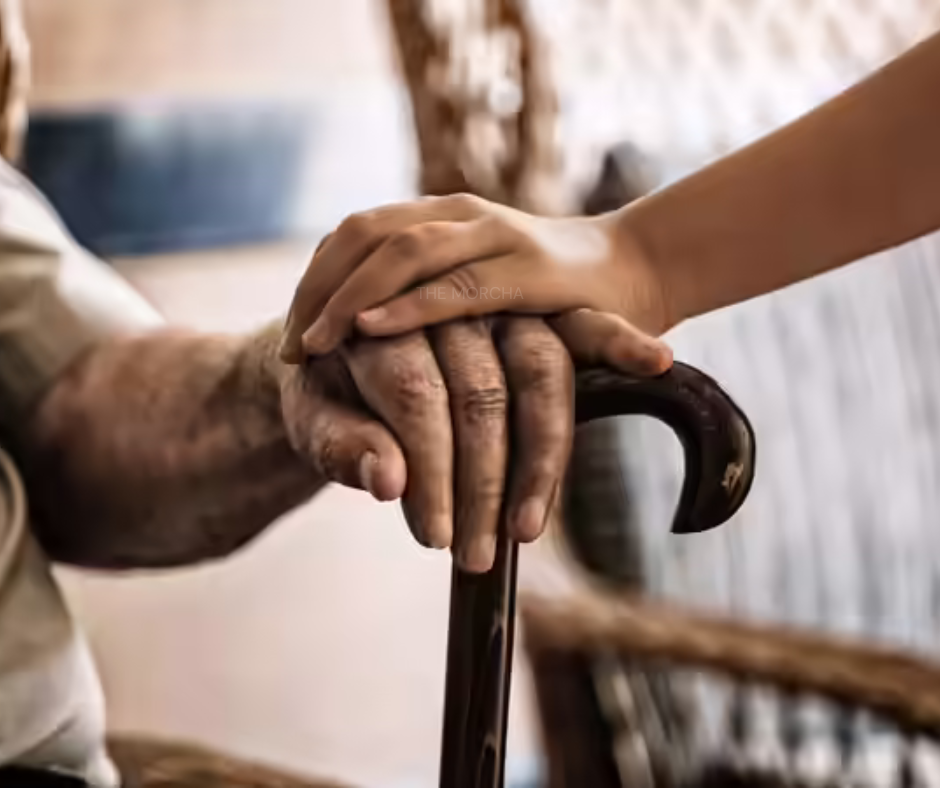
Elderly winter care requires a holistic approach addressing physical, emotional, cognitive, and social needs. Adequate warmth, nutrition, hydration, mental stimulation, social engagement, and professional support are key to preventing illnesses, enhancing wellbeing, and maintaining dignity. Families and caregivers play a pivotal role in ensuring that older adults experience winter safely and comfortably, transforming a potentially challenging season into one of warmth, connection, and vitality.