
Artificial intelligence is transforming the retail industry at an unprecedented pace, reshaping everything from customer engagement to inventory management and product design. Over the last few years, retailers worldwide have recognized that artificial intelligence is no longer just a backend tool for logistics and supply chains — it is becoming the central force driving how customers discover, evaluate, and purchase products. As companies experiment with AI-powered assistants, automated checkout systems, and generative design tools, they are not only enhancing efficiency but also creating entirely new ways to interact with shoppers.
Table of Contents
Artificial intelligence at the Core of Modern Retail Operations
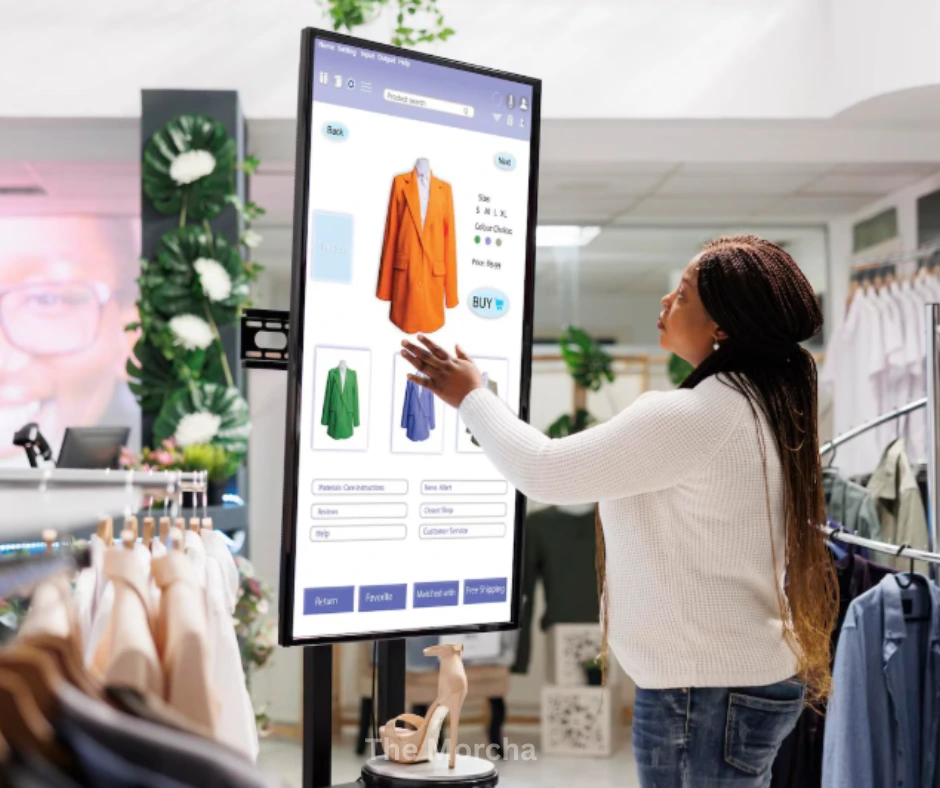
AI has moved from being a peripheral technology to the backbone of retail operations. In warehouses and stores, machine learning models are deployed to predict demand, optimize stock levels, and ensure timely deliveries. Sophisticated algorithms analyze historical sales data, seasonal trends, and even weather patterns to anticipate customer needs. Retailers such as Home Depot and Walmart have already leveraged AI-driven systems to streamline supply chains, reduce waste, and manage millions of SKUs with unprecedented precision. By automating repetitive operational tasks, companies are freeing human employees to focus on higher-value activities that require creativity, problem-solving, and personal interaction.
AI-Powered Customer Assistance
Artificial intelligence is increasingly visible in direct customer interactions through intelligent shopping assistants. These assistants can answer product questions, suggest alternatives, compare features, and even guide shoppers from discovery to checkout. Walmart’s “Sparky,” Amazon’s “Rufus,” and Ralph Lauren’s “Ask Ralph” exemplify how conversational AI is moving into the frontlines of retail. Unlike static search bars, these agents engage customers through dialogue, providing tailored advice while learning from each interaction. Early adoption data suggests that while consumers are eager to try these tools, habitual use is still developing, indicating both potential and the need for user education.
Redefining Online Shopping Experiences
Artificial intelligence is reshaping the online shopping journey by integrating personalized recommendations, predictive search, and even in-chat purchasing options. Google’s Gemini Artificial intelligence , for instance, allows users to browse, compare, and buy products within the chat interface itself, effectively turning AI agents into sales representatives. This “agent-led commerce” model represents a paradigm shift: rather than simply facilitating browsing, AI actively assists in completing transactions, anticipating customer preferences, and providing frictionless guidance. Such integrations blur the lines between traditional e-commerce platforms and interactive conversational experiences.
Transforming Brick-and-Mortar Stores
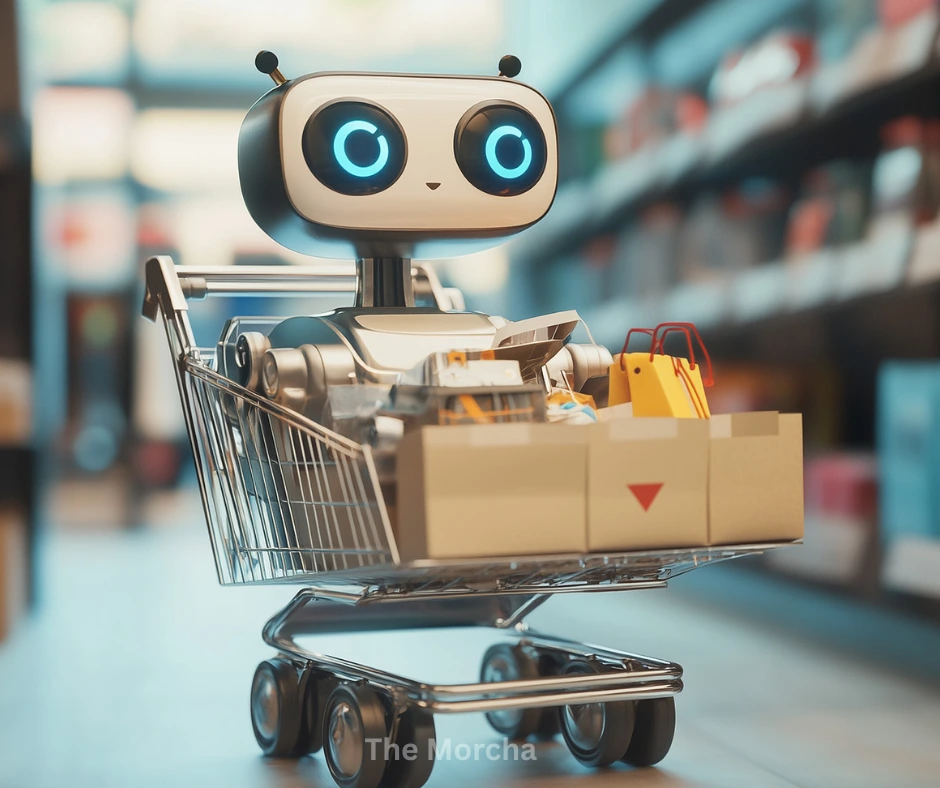
Artificial intelligence is not limited to digital channels. Physical stores are adopting smart carts, automated checkout systems, and robotic assistants to improve efficiency and customer service. For example, smart shopping carts at Kroger and Whole Foods automatically scan items, track spending, and allow shoppers to bypass traditional checkout counters. Robotics are deployed to help customers locate products or manage inventory, while wearable Artificial intelligence devices give store staff instant access to stock information and customer insights. These innovations not only reduce operational friction but also elevate the in-store experience to meet the expectations of digitally savvy shoppers.

Enhancing Product Design and Creativity
In addition to operations and sales, Artificial intelligence is increasingly influencing the creative process. Luxury retailers like LVMH are leveraging AI to assist designers with color palettes, material selection, and conceptual visualization. Generative AI enables teams to prototype ideas rapidly, explore innovative combinations, and align product development with emerging consumer trends. This augmented creativity accelerates time-to-market while providing designers with analytical insights, ensuring that products resonate with target audiences without stifling human imagination.
AI in Marketing and Advertising
Retailers are using AI to generate advertisements, optimize campaigns, and personalize promotions at scale. Generative models analyze consumer behavior and preferences to craft content that resonates with specific audience segments. Home Depot, for instance, has employed AI-driven advertising to tailor messaging and visuals for regional campaigns, improving engagement and conversion rates. By automating parts of the marketing process, companies can experiment more freely, test ideas quickly, and dynamically adjust campaigns in response to real-time data.
Workforce Augmentation Through AI
AI is reshaping workforce dynamics by augmenting human employees rather than replacing them entirely. Retail chains such as 7-Eleven utilize AI agents like “Rita” to assist in recruiting, screening, and onboarding staff. Frontline associates benefit from AI-powered tools that provide real-time product knowledge, stock information, and customer guidance. This blend of human-AI collaboration increases productivity, reduces operational errors, and allows employees to focus on high-touch interactions that technology cannot fully replicate. Nonetheless, the potential for automation-driven displacement underscores the need for ethical workforce planning and reskilling programs.
Consumer Acceptance and Behavioral Trends
Despite the growing availability of AI tools, consumer adoption remains uneven. Studies indicate that around 70% of shoppers have experimented with Artificial intelligence assistants, but only about 15% use them consistently. While many customers appreciate personalized recommendations and faster checkout, others feel overwhelmed by AI interactions or skeptical of data usage. Retailers must carefully balance the benefits of AI with clear communication, intuitive design, and privacy safeguards to build trust and encourage habitual use.
AI in Logistics and Supply Chains
AI’s predictive capabilities extend deeply into logistics and supply chain management. Retailers can anticipate demand spikes, optimize inventory allocation, and reduce storage costs through predictive modeling. Machine learning algorithms identify trends that human analysts might overlook, enabling just-in-time restocking and minimizing overstock situations. Automation combined with AI in warehouses — from robotic sorting to smart shelving — ensures that products are efficiently moved and delivered while lowering operational costs and improving overall customer satisfaction.

Ethical and Legal Considerations
Artificial intelligence adoption brings critical ethical and legal challenges. Data privacy is paramount, as AI assistants rely on extensive consumer data to provide personalized experiences. Retailers must maintain transparency, ensuring that customers understand what information is collected and how it is used. Algorithmic bias is another concern; models trained on skewed datasets may unintentionally favor certain demographics or product types. Additionally, intellectual property rights, particularly regarding generative Artificial intelligence content, are increasingly relevant. Compliance with emerging regulations is necessary to balance innovation with ethical responsibility.
Integrating Artificial intelligence Across Omnichannel Strategies
Successful retail brands are unifying Artificial intelligence across digital and physical channels to create seamless omnichannel experiences. Customers can begin browsing online, interact with AI assistants for personalized guidance, and complete purchases in-store or digitally. Such integration ensures consistent messaging, supports loyalty programs, and allows retailers to track engagement across touchpoints. This holistic approach strengthens brand-consumer relationships and drives higher retention rates while maximizing the value of AI investments.
Artificial intelligence -Driven Insights for Decision-Making
Retailers increasingly rely on AI to generate actionable insights from vast datasets. By analyzing customer behavior, inventory turnover, and marketing performance, Artificial intelligence can identify emerging trends, highlight underperforming products, and guide strategic decisions. Companies can make faster, more accurate choices regarding product launches, promotional campaigns, and store layouts. This data-driven decision-making not only improves efficiency but also enhances the retailer’s ability to respond dynamically to changing market conditions.
The Role of AI Startups in Retail Innovation
Startups are driving innovation by providing Artificial intelligence solutions that address niche retail challenges. Some specialize in robotic shelf management, ensuring that products are optimally displayed and restocked without manual intervention. Others offer AI-powered headsets for store employees, delivering real-time product knowledge and improving customer service. These agile companies complement larger retailers’ infrastructure, accelerating experimentation and enabling faster adoption of advanced AI solutions.
Global Perspectives on Artificial intelligence in Retail
While the U.S. leads in Artificial intelligence adoption, global markets are rapidly catching up. In Europe, Asia, and India, AI tools are being integrated into mobile commerce platforms, regional e-commerce ecosystems, and in-store automation solutions. Retailers are customizing AI to reflect local consumer behaviors, payment preferences, and cultural nuances. This global expansion demonstrates AI’s adaptability and potential to create consistent, high-quality shopping experiences across diverse markets.
AI as a Strategic Partner
Looking ahead, Artificial intelligence will evolve from an operational tool into a strategic partner for retailers. Analysts predict that by 2030, nearly half of online shoppers will rely on Artificial intelligence agents to guide purchases from discovery to delivery. These systems will anticipate preferences, negotiate with suppliers, and even curate personalized collections for individual consumers. The successful retailers of the future will be those who harness AI to enhance human experiences, streamline operations, and foster trust, ultimately redefining the very nature of shopping in the 21st century.