
Delhi is a city that lives at the intersection of history, politics, culture, and constant motion. Yet, despite its global significance, the capital is also a place where the air has become a daily challenge for millions. For years, Delhi has faced severe pollution, and vehicular emissions have consistently ranked among the major contributors. To address this, the government has introduced several strategies, including the recent policy to remove old vehicles from the roads. This policy is not only a regulatory move but also a major social and economic shift. In this long essay, we will explore the background, rationale, implementation, controversies, impacts, and future of Delhi’s old-vehicle removal policy.
Table of Contents
Why Delhi’s Air Became a National Crisis
Delhi’s air pollution problem is not new. For decades, the city has struggled with smog, dust, and toxic emissions that affect the health and daily lives of its residents. The reasons are complex and interconnected: industrial emissions, construction dust, crop burning in neighboring states, and most importantly, vehicle pollution. As Delhi’s population grew, so did the number of vehicles. The city’s roads have become congested, and vehicles spend long hours idling in traffic, which increases fuel consumption and emissions. Over time, the cumulative effect has become visible in the form of rising levels of PM2.5, PM10, NOx, and other harmful pollutants. These pollutants have severe health consequences, including respiratory diseases, heart conditions, and even premature death.
The national and international media have repeatedly highlighted Delhi’s air as among the worst in the world during winter months. The severity of the problem has forced policymakers to take drastic measures. One of the most important steps has been to reduce emissions from vehicles by removing older, more polluting vehicles from the roads. This is not just a local issue; it is a national concern because Delhi’s air quality affects millions of people who live, work, and commute here.
The Logic Behind Removing Old Vehicles
The policy of removing old vehicles is rooted in a simple scientific fact: older vehicles generally pollute more than newer ones. As vehicles age, their engines wear down, fuel efficiency decreases, and emission controls become less effective. This means that older vehicles release higher levels of pollutants per kilometer traveled. In addition, many older vehicles are not properly maintained, and some have tampered or non-functional emission systems. The result is an uneven pollution profile where a small percentage of old vehicles contribute disproportionately to air pollution.
The government’s decision to remove these vehicles is based on the idea of “source control.” Instead of only focusing on reducing emissions through temporary measures, such as odd-even schemes or short-term restrictions, the policy aims to permanently reduce the number of highly polluting vehicles. It is a long-term approach to improving air quality, because it directly targets the root cause.
What the Policy Includes Rules and Regulations
Delhi’s old vehicle removal policy is not a single action but a set of rules that work together. The policy typically includes:
- Vehicle Age Limits: Vehicles older than a certain number of years are banned from registration or road use. For example, heavy commercial vehicles older than 15 years may be removed, while diesel vehicles older than 10 years may face restrictions.
- Fitness Tests and Emission Checks: Vehicles must pass periodic emission tests. If a vehicle fails repeatedly, it may be deregistered.
- Incentives for Scrapping: To encourage owners to scrap old vehicles, the government often offers financial incentives, subsidies, or benefits for purchasing newer, cleaner vehicles.
- Compensation Programs: Some policies include compensation for owners of old vehicles to reduce the financial burden.
- Strict Enforcement: The policy requires active monitoring, including vehicle tracking, police enforcement, and regular checks.
These measures are designed to gradually phase out old vehicles while giving vehicle owners an opportunity to transition to newer models. The goal is not to punish citizens, but to shift the vehicle ecosystem toward cleaner and more efficient options.
How Old Vehicles Affect Air Quality
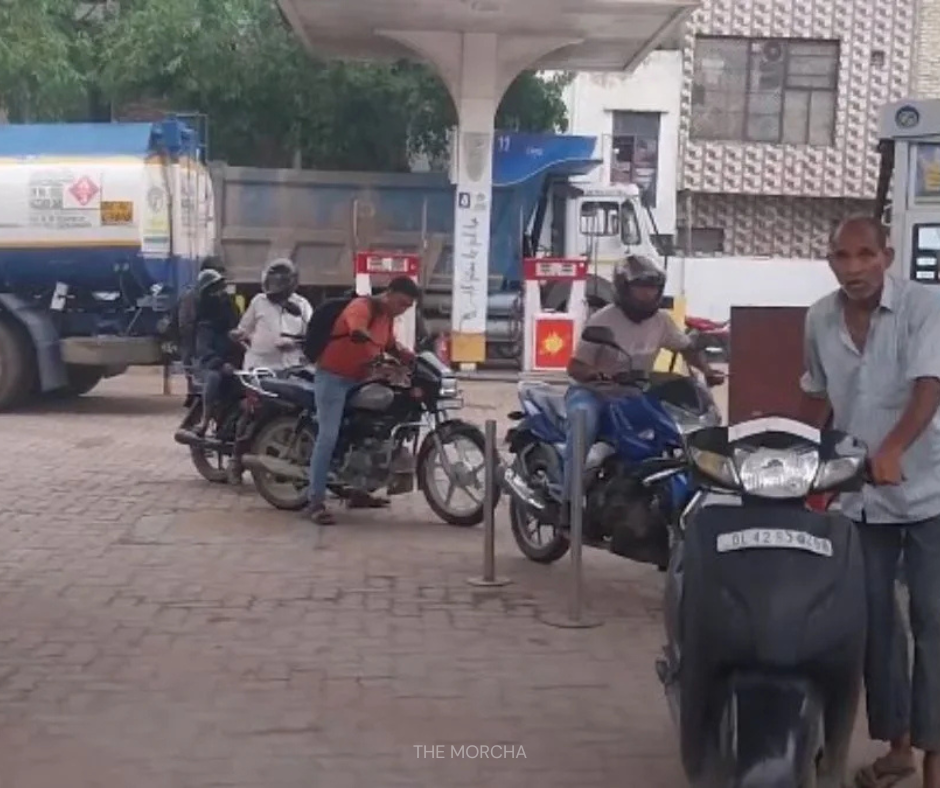
Old vehicles are major sources of particulate matter and toxic gases. They release higher levels of carbon monoxide (CO), nitrogen oxides (NOx), hydrocarbons, and particulate matter. These pollutants are particularly dangerous because they penetrate deep into the lungs and bloodstream, causing long-term health damage. When a large number of old vehicles operate in a densely populated city like Delhi, the cumulative emissions create a toxic environment.
The removal of old vehicles is expected to reduce overall emissions. Scientific models show that even a moderate reduction in old vehicle numbers can lead to significant improvements in air quality. The logic is straightforward: older vehicles have higher emissions per kilometer, so removing them reduces total emissions more than removing an equivalent number of newer vehicles. This is why the policy targets old vehicles rather than implementing blanket restrictions on all vehicles.
Who Gets Affected?
A policy like this affects not only the environment but also people’s lives. Old vehicles are often owned by lower-income individuals and small business owners. Many rely on older vehicles for daily income, such as taxi drivers, delivery workers, and small traders. The policy, therefore, raises important questions about fairness and social justice.
To address this, the government often provides financial support or incentives. However, the effectiveness of such support varies. For some owners, even with incentives, the cost of a new vehicle is too high. Additionally, many older vehicles are used for commercial purposes and are essential for livelihoods. This creates a dilemma: how to improve air quality without harming the economic stability of vulnerable citizens.
Cost of Transition and Market Effects
The transition from old to new vehicles is expensive. New vehicles are more costly, and many citizens cannot afford them without assistance. At the same time, the policy creates a market for new vehicles and cleaner technologies. Auto manufacturers may benefit from increased demand, while the scrap industry may also grow.
However, the economic impact is not uniform. While some sectors gain, others lose. For example, businesses that depend on older vehicles may face higher operational costs. The policy may also affect second-hand vehicle markets, which are important for low-income buyers. Therefore, the economic design of the policy must be carefully balanced to avoid creating unintended hardships.
The Health Benefits
The primary goal of removing old vehicles is to improve public health. Air pollution is linked to a range of diseases, including asthma, bronchitis, cardiovascular diseases, and lung cancer. Children and elderly people are especially vulnerable. Reducing pollution can therefore lead to fewer hospital visits, lower medical costs, and improved overall well-being.
Health benefits are long-term, but they are also measurable. Studies show that improvements in air quality can reduce mortality rates and improve life expectancy. Therefore, the policy is not only about the environment; it is an investment in human health. Over time, the savings in healthcare and productivity losses may outweigh the costs of implementing the policy.
Clean Fuels and Electric Vehicles
One of the most important elements of this policy is the push toward cleaner technologies. Newer vehicles are often more fuel efficient and produce fewer emissions. In addition, the rise of electric vehicles (EVs) presents a major opportunity. EVs produce zero tailpipe emissions, which can dramatically reduce urban pollution.
However, the shift to EVs requires infrastructure, such as charging stations and grid upgrades. It also requires public awareness and incentives. The policy to remove old vehicles can accelerate this transition by creating demand for newer, cleaner models. As a result, Delhi may move toward a future where electric vehicles are common, reducing dependence on fossil fuels.
Corruption, Forgery, and Non-Compliance
A major challenge of this policy is enforcement. When the government bans old vehicles, there is always a risk of fake documents, forgery, and corruption. Some vehicle owners may attempt to bypass regulations by manipulating vehicle age or registration documents. In addition, enforcement agencies may face challenges due to limited resources.
To counter this, the policy needs strong digital systems, transparency, and strict penalties. Digital registration systems, vehicle tracking, and real-time monitoring can reduce the risk of fraud. Public awareness campaigns can also encourage compliance. Ultimately, enforcement is essential to ensure the policy is effective and credible.
Alternatives to Personal Vehicles
The policy of removing old vehicles will only succeed if alternatives are available. Public transport must be improved to reduce dependency on personal vehicles. Delhi already has a metro system, buses, and other transport modes, but there is still room for improvement in terms of coverage, frequency, and convenience.
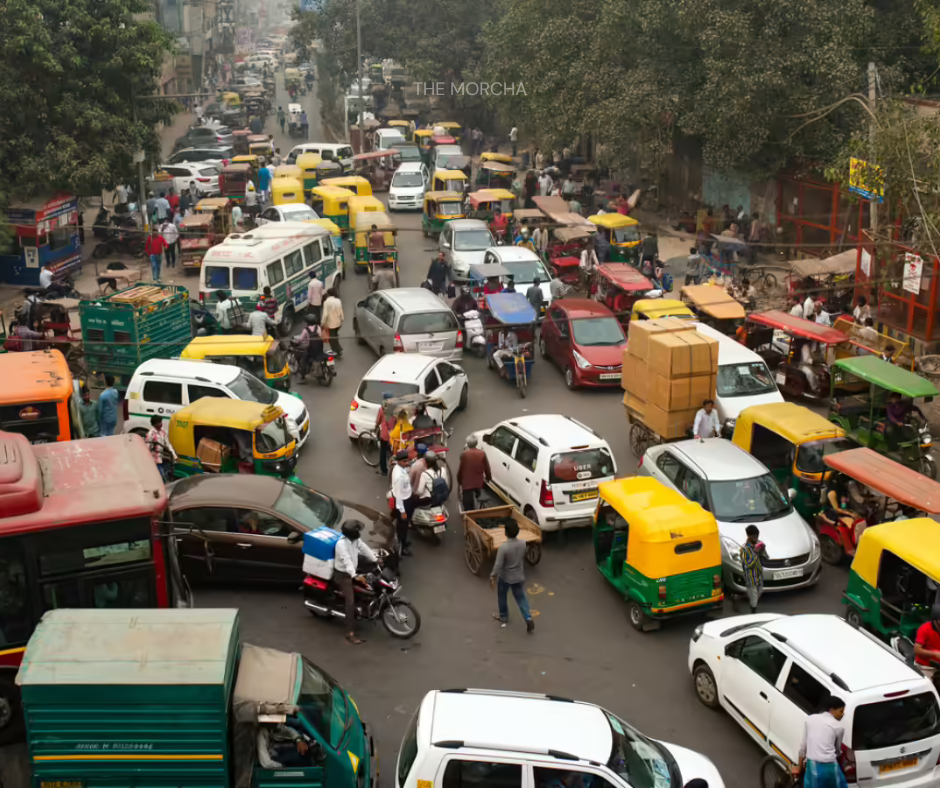
If public transport is reliable and affordable, people are more likely to shift away from private vehicles. This will reduce traffic congestion and pollution simultaneously. Therefore, the policy should be complemented by investments in public transport, including cleaner buses, expanded metro lines, and last-mile connectivity.
Public Support and Opposition
Environmental policies often face political challenges. Some citizens may support the policy, while others may view it as unfair or disruptive. Political leaders must balance environmental goals with public sentiment. The success of the policy depends on communication, transparency, and stakeholder engagement.
Public support can be built through education and awareness. When citizens understand the health benefits and the long-term impact, they are more likely to support the policy. However, opposition may still exist, especially among those directly affected. The government must therefore provide adequate compensation and support.
Lessons from Other Cities and Countries
Delhi is not alone in dealing with old vehicle pollution. Cities around the world have implemented similar policies. For example, London has introduced a low-emission zone, and many European cities have restricted older diesel vehicles. In China, many cities have also introduced vehicle restrictions and incentives for cleaner vehicles.
These global examples provide valuable lessons. Policies must be gradual, fair, and supported by alternatives. The transition must be designed in a way that does not create sudden economic hardship. In addition, digital systems and strong enforcement are crucial. Delhi can learn from these examples to implement a policy that is both effective and socially just.
Is the Policy Enough?
While removing old vehicles is a significant step, it is not enough on its own. Delhi’s pollution is caused by multiple sources, including industry, construction dust, crop burning, and domestic pollution. Therefore, the policy must be part of a larger strategy that addresses all major pollution sources.
Some critics argue that focusing only on vehicles ignores other major contributors. Others argue that the policy should be stricter or implemented faster. However, the reality is that a balanced approach is needed. A policy that is too harsh may cause economic disruption, while a policy that is too weak may fail to produce results. The challenge is to find the right balance.
What Happens Next?
The future of Delhi’s air quality depends on continuous efforts. The removal of old vehicles is a long-term strategy that will gradually reduce pollution. Over time, the number of older vehicles will decrease, and newer, cleaner vehicles will dominate the roads. The success of this policy will also depend on investments in public transport, electric vehicles, and infrastructure.
Additionally, ongoing observation and assessment are required. The government should track air quality data and adjust policies accordingly. Public engagement and awareness will also be crucial. If citizens are actively involved, the policy will be more effective and sustainable.
A Transformative Step Toward Clean Air
Delhi’s policy to remove old vehicles is a major step toward improving air quality. It is a long-term strategy that targets the most polluting sources. While the policy faces challenges and controversies, its potential benefits are immense. Improved air quality can lead to better health, higher productivity, and a better quality of life for millions of people.
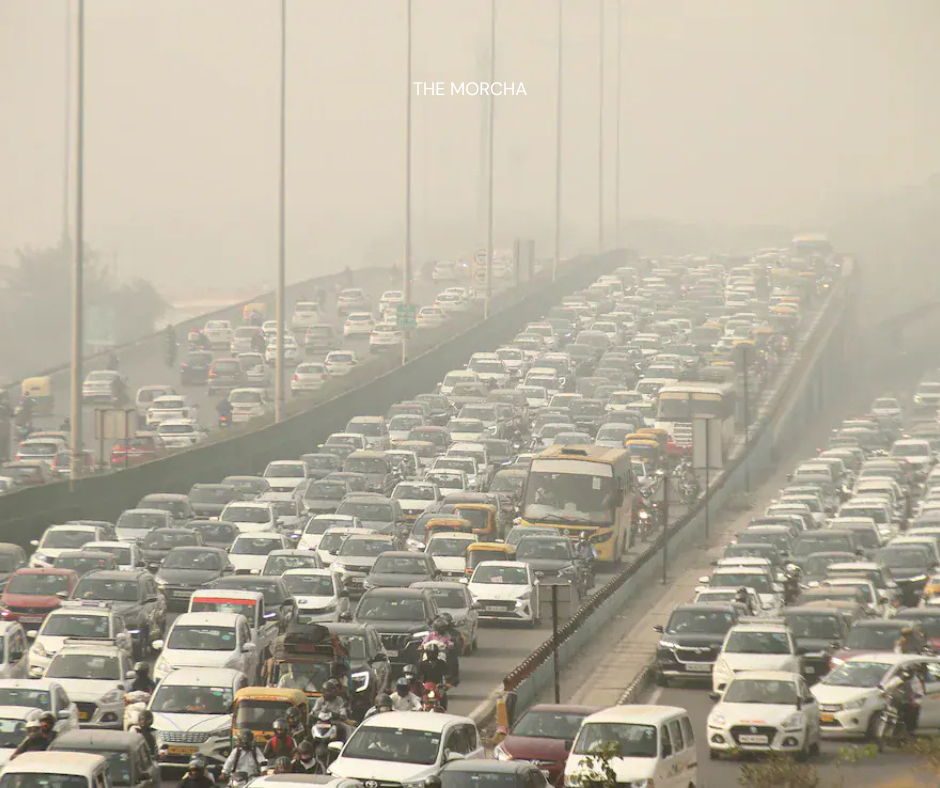
However, success depends on careful implementation, strong enforcement, social support, and complementary measures such as improved public transport and cleaner technologies. If Delhi can manage this transition effectively, it may become a model for other cities facing similar challenges. The policy is not just about vehicles; it is about transforming the city into a healthier, more sustainable place to live.