
Fat loss is a journey that combines discipline, knowledge, and consistency. Many people confuse weight loss with fat loss, but the two are not the same. Weight loss can come from water, muscle, or fat, whereas true fat loss is the reduction of excess body fat while maintaining or building lean muscle mass. Understanding fat loss is essential because it affects not just appearance but also long-term health. Excess fat, especially around the abdomen, is linked with various health risks, including heart disease, diabetes, and joint problems. Therefore, the focus should not just be “losing weight fast” but “losing fat effectively and sustainably,” which can be achieved at home with the right approach to diet, exercise, and lifestyle habits.

Table of Contents
Difference Between Fat Loss, Weight Loss, and Muscle Loss
It’s crucial to differentiate between weight loss, and muscle loss. Fat loss refers specifically to reducing stored fat in the body. Weight loss can occur from water depletion, muscle loss. which is why relying solely on scales can be misleading. Muscle loss, often called catabolism, happens when your body burns muscle for energy, typically due to very low-calorie diets or lack of resistance training. Maintaining muscle is essential for metabolism, as muscles burn more calories than fat, even at rest. Understanding this difference ensures that your fat loss journey preserves strength and functionality rather than just focusing on appearance.
How Fat Storage Works in the Body
Fat storage is a natural and essential process. The body stores excess calories as fat in adipose tissue for energy reserves. Fat cells expand when you consume more calories than you burn and shrink when you maintain a calorie deficit. Hormones like insulin, cortisol, and leptin play critical roles in fat storage and breakdown. Insulin regulates blood sugar and fat storage, cortisol can lead to abdominal fat accumulation under stress, and leptin signals the brain about hunger and energy balance. By understanding these mechanisms, you can adjust your lifestyle to optimize fat burning at home effectively.
Key Factors Affecting Fat Loss

Several factors influence how quickly and efficiently your body loses fat. Genetics determine where you store fat and how your metabolism functions. Hormones influence appetite, energy usage, and fat distribution. Age can slow metabolism, and lifestyle choices such as diet, physical activity, and sleep quality play a significant role. For instance, a sedentary lifestyle reduces daily calorie expenditure, making slower. Being aware of these factors helps in creating a personalized approach that addresses your unique challenges and maximizes results.
Common Fat Loss Myths
Many myths surround fat loss, especially when attempting it at home. One common myth is that “spot reduction” is possible—losing fat in a specific area like the belly. In reality, fat loss occurs throughout the body based on overall energy deficit and genetics. Another myth is that skipping meals accelerates fat loss, which can actually reduce metabolism and promote muscle loss. Debunking these myths is critical to adopting strategies that are scientifically sound and sustainable over the long term.
The Role of Diet in Fat Loss
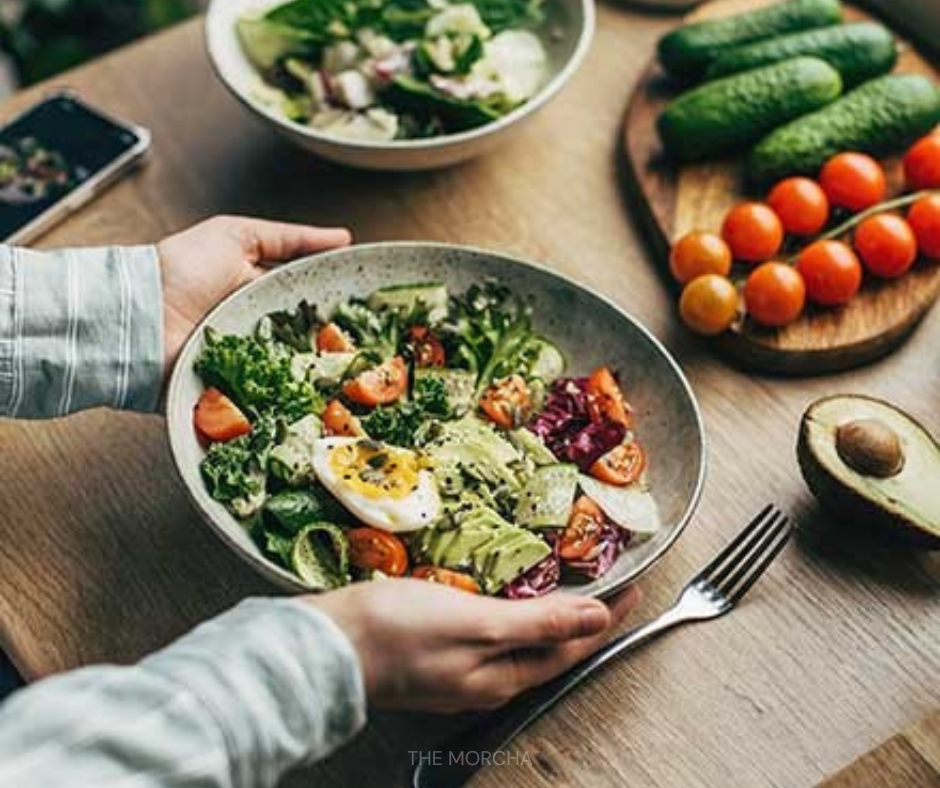
Diet is often considered the most crucial factor in fat loss. The principle is simple: consume fewer calories than your body burns to create a calorie deficit. However, quality matters as much as quantity. Protein intake preserves muscle, complex carbs provide sustained energy, and healthy fats support hormone function. Additionally, micronutrients like vitamins and minerals support metabolism and recovery. Eating at home allows you to control ingredients, portion sizes, and cooking methods, making it easier to maintain a calorie deficit without compromising nutrition.
Understanding Calories and Portion Control
Calories are units of energy, and understanding how to manage them is key to fat loss. A calorie deficit occurs when you burn more energy than you consume, prompting the body to use stored fat for fuel. Portion control is a practical method to regulate calorie intake. Using smaller plates, measuring ingredients, and avoiding mindless snacking can help maintain a calorie deficit at home. Additionally, tracking food intake through apps or journals helps maintain awareness of actual calorie consumption versus perceived intake.
Best Foods for Fat Loss
Certain foods are particularly effective for fat loss due to their nutrient density, satiety, and metabolism-boosting properties. Lean proteins such as chicken, eggs, and legumes help preserve muscle. Fiber-rich foods like vegetables, fruits, and whole grains promote fullness and improve digestion. Healthy fats from sources like nuts, seeds, and olive oil support hormone balance. Avoiding processed foods, sugary drinks, and refined carbs can drastically improve fat loss results. Home-cooked meals allow you to incorporate these foods in balanced proportions while avoiding hidden calories.
Meal Timing and Frequency
Meal timing can influence energy levels, satiety, and metabolism. Eating smaller, balanced meals every 3–4 hours may prevent overeating and stabilize blood sugar. Some people benefit from intermittent fasting, which restricts eating to a certain window and may improve fat oxidation. Ultimately, the best approach depends on your lifestyle, hunger cues, and schedule. The key is consistency and adherence rather than following extreme or rigid meal timing rules.
Sample Home-Based Fat Loss Meal Plan
A structured meal plan simplifies adherence. For example:
- Breakfast: Oats with protein powder and fruits
- Mid-morning snack: Nuts and yogurt
- Lunch: Grilled chicken/fish with brown rice and vegetables
- Afternoon snack: Fruits or sprouts
- Dinner: Vegetable soup with paneer/tofu
- Optional: Herbal teas or water throughout the day
Meal plans like this ensure calorie deficit, nutrient balance, and variety while being practical for home preparation.
Importance of Exercise in Fat Loss
Exercise complements diet in fat loss by increasing calorie expenditure and preserving lean muscle. While diet drives fat loss, exercise improves body composition, cardiovascular health, and mental well-being. Home-based workouts are convenient, cost-effective, and flexible, making them ideal for long-term adherence. A combination of strength training, cardio, and flexibility exercises ensures optimal fat burning and overall fitness.
Bodyweight Exercises for Fat Loss
Bodyweight exercises are highly effective for fat loss and require no equipment. Squats, lunges, push-ups, planks, and burpees engage multiple muscle groups, increase heart rate, and build strength. These exercises can be modified for beginners or intensified for advanced practitioners. A well-structured bodyweight routine at home can significantly improve metabolism and promote fat loss without visiting a gym.
Resistance Training and Fat Loss
Resistance training involves using weights or resistance bands to build muscle. Muscle tissue burns more calories than fat, even at rest, so increasing muscle mass accelerates fat loss. Home-friendly options include dumbbells, kettlebells, resistance bands, or even household items like water bottles. Incorporating 2–3 sessions per week ensures strength maintenance while promoting fat-burning through increased metabolic rate.
Cardio and HIIT for Fat Loss
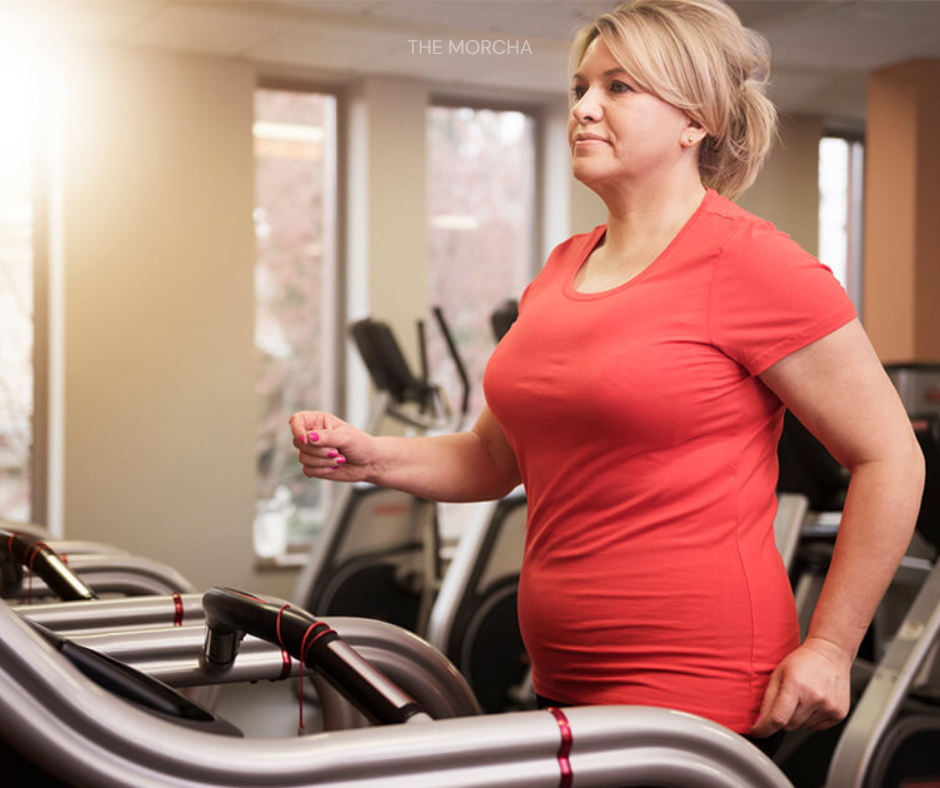
Cardiovascular exercise and High-Intensity Interval Training (HIIT) are excellent for calorie burning. Cardio includes activities like brisk walking, jogging, cycling, or skipping rope. HIIT alternates short bursts of intense activity with rest periods, maximizing calorie expenditure in less time. Both can be done at home and combined with strength training for a balanced fat loss approach.
Yoga and Flexibility Training
Yoga enhances flexibility, reduces stress, and improves mind-body awareness. Certain yoga styles, such as power yoga or vinyasa, also increase heart rate and calorie expenditure. Flexibility exercises prevent injury, improve posture, and aid recovery from strength or cardio workouts. Incorporating yoga into a home fat loss routine complements exercise, reduces stress-related fat storage, and improves overall wellness.
Sleep and Recovery
Adequate sleep is critical for fat loss. Poor sleep affects hunger hormones like ghrelin and leptin, increasing appetite and cravings. It also reduces energy levels, making exercise and daily activities less effective for calorie burning. Adults should aim for 7–9 hours of quality sleep per night to support metabolism, recovery, and mental well-being. Recovery, including rest days and light stretching, is equally essential to prevent burnout and injury.
Stress Management
Chronic stress increases cortisol levels, which can promote fat storage, particularly around the abdomen. Stress also triggers emotional eating and reduces motivation for exercise. Managing stress through meditation, deep breathing, hobbies, and time outdoors is essential for sustainable fat loss. A calm mind supports disciplined eating and consistent physical activity at home.
Tracking Progress and Motivation
Tracking progress helps maintain focus and motivation. Use measurements, photos, or fitness apps rather than relying solely on weight scales. Celebrate small wins, set achievable goals, and adjust strategies as needed. Motivation can fluctuate, but discipline, consistency, and a clear plan ensure long-term results. Sharing progress with family or friends can also enhance accountability and encouragement.
Common Mistakes and Final Tips
Common mistakes in home-based fat loss include skipping meals, following extreme diets, overtraining, neglecting sleep, and ignoring consistency. Avoiding these pitfalls ensures sustainable progress. Final tips include staying hydrated, eating whole foods, prioritizing protein, combining strength and cardio, and listening to your body.
Remember, fat loss is a marathon, not a sprint, and the most effective approach is one that is healthy, balanced, and adaptable to your lifestyle.